



South Sudan stands at a critical crossroads. More than a decade after gaining independence, the country possesses abundant natural resources, a youthful population, and enormous agricultural potential. Yet recurring conflict, weak institutions, corruption, and economic instability continue to hinder its development.
Experiences from countries that have emerged from conflict demonstrate that recovery is possible when reforms are carefully sequenced, consistently implemented, and sustained over time.
If South Sudan is to realize the aspirations of its independence, the next decade must become a period of genuine reform rather than repeated promises. The country should focus on ten key priorities that reinforce one another and lay the foundation for lasting peace and development.
The priority is to secure lasting peace and implement comprehensive security reforms. Peace remains the foundation upon which every successful nation is built. The full implementation of the Revitalized Peace Agreement, the unification and professionalization of security forces, and improved community security must remain at the center of government policy. Without peace and security, development efforts cannot take root, investors will remain hesitant, and millions of displaced citizens will struggle to rebuild their lives.
The second priority is to build accountable institutions and uphold the rule of law. Strong institutions, not individuals, are the backbone of a stable democracy. An independent judiciary, a professional civil service, and effective oversight bodies are essential to restoring public trust and ensuring that all citizens are treated equally before the law.
Third, South Sudan must increase transparency and accountability in oil revenue management. Oil remains the country’s largest source of national income, yet many citizens have seen little improvement in their daily lives despite years of production. Every dollar generated from oil should be managed transparently and invested in public services rather than lost to corruption or mismanagement. Publishing oil revenues and expenditures would strengthen accountability and rebuild public confidence.
Fourth, the country should conduct credible elections and strengthen democratic governance. Free, fair, peaceful, and inclusive elections are essential for political legitimacy and long-term stability. Strengthening democratic institutions, protecting political freedoms, and ensuring an independent electoral process will help citizens determine their country’s future through ballots rather than conflict.
The fifth priority is tackling corruption while strengthening public financial management. Corruption diverts scarce resources away from development and weakens confidence in government institutions. Strong anti-corruption agencies, transparent procurement systems, independent public audits, and accountability for the misuse of public funds should become national priorities.
Sixth, South Sudan should invest oil revenues in critical infrastructure and public services. The country’s natural wealth should finance roads, electricity, clean water systems, hospitals, schools, telecommunications, and other essential infrastructure. Such investments improve living standards while creating conditions for sustainable economic growth.
Seventh, economic diversification must become a national priority. South Sudan should reduce its dependence on oil by investing in agriculture, livestock, fisheries, manufacturing, tourism, and small and medium-sized enterprises. A diversified economy creates jobs, increases government revenue, strengthens food security, and protects the country from fluctuations in global oil prices.
The eighth priority is improving the business environment to attract investment. Simplifying business regulations, protecting property rights, improving infrastructure, ensuring policy consistency, and fighting bureaucratic inefficiency can encourage both domestic entrepreneurs and foreign investors to expand economic opportunities and create employment for the country’s growing youth population.
Ninth, South Sudan must invest heavily in education, healthcare, and skills development. No nation can prosper without investing in its people. Quality education, accessible healthcare, vocational training, and youth employment programs will equip citizens with the knowledge and skills needed to drive national development and reduce poverty.
Finally, the country must promote national reconciliation and build an inclusive national identity. Healing the wounds of conflict requires more than political agreements. Genuine reconciliation demands dialogue, justice, forgiveness, equal opportunities, and respect for diversity. Building a shared national identity based on citizenship rather than ethnicity will strengthen unity and reduce the risk of future conflict.
These priorities are neither theoretical nor unattainable. Countries such as Rwanda, Liberia, Sierra Leone, Botswana, and Timor-Leste emerged from devastating conflicts and difficult political transitions by prioritizing peace, strengthening institutions, improving governance, investing in education and infrastructure, managing natural resources more responsibly, and gradually diversifying their economies. Their journeys were not perfect, nor were their reforms completed overnight, but they demonstrate that determined leadership, consistent implementation, and national commitment can transform even the most fragile states.
Over the years, South Sudan has adopted numerous peace agreements, reform programs, and development strategies. However, many have delivered limited results because political rivalries, insecurity, corruption, weak institutions, and insufficient accountability have undermined implementation. The country, therefore, does not necessarily lack ideas or policies; it needs the political will to implement them consistently and to place national interests above individual or factional interests.
In conclusion, the next decade presents another opportunity to change course. South Sudan possesses fertile land, abundant natural resources, resilient citizens, and one of Africa’s youngest populations. If peace is consolidated, institutions are strengthened, corruption is confronted, democratic governance is deepened, and economic opportunities are expanded, the country can break free from recurring cycles of crisis and begin building a stable, prosperous, and united nation. The promise of independence will not be fulfilled through speeches alone, but through sustained reforms that improve the daily lives of ordinary citizens. The choice lies with South Sudan’s leaders and its people. The lessons from other post-conflict nations are clear: reform is difficult but possible, and with commitment, accountability, and visionary leadership, South Sudan can write a far more hopeful chapter in its history.
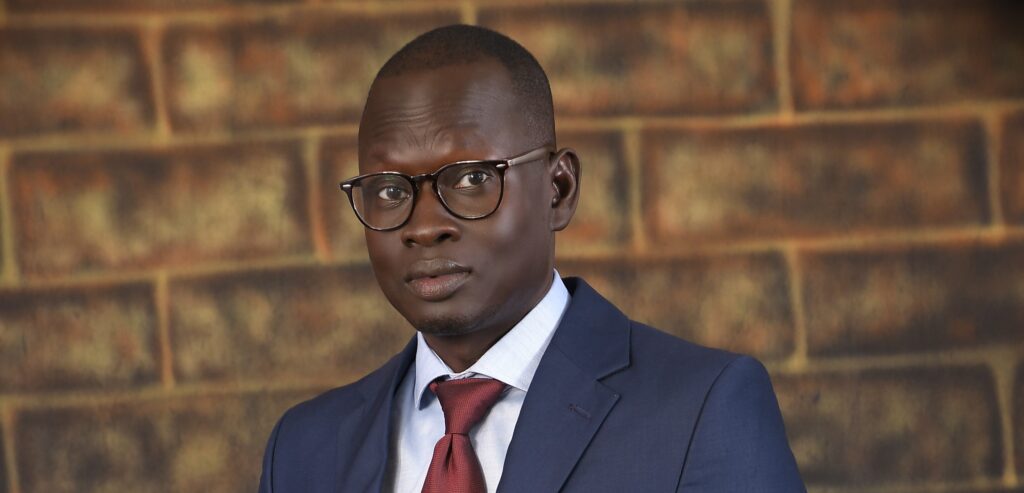
The writer is a media specialist and development practitioner. He can be reached via leek2daniel@gmail.com.
The views expressed in ‘opinion’ articles published by Radio Tamazuj are solely those of the writer. The veracity of any claims made is the responsibility of the author, not Radio Tamazuj.

 and then