



For countless car owners and motorists navigating Juba’s roads, each journey has transformed into a risky venture that extends far beyond dodging potholes and traversing congested intersections. The relationship between vehicle owners, motorists, and traffic law enforcers has deteriorated into one of the capital’s most pressing social challenges, characterized by heated exchanges and an overwhelming sense of mutual mistrust.
Recently, circulated footage showing fistfights between these two groups has drawn widespread attention, yet these recordings represent more than isolated outbursts. They expose a deeper institutional disappointment where professional conduct has been abandoned in favor of aggression.
These recurring clashes project an unflattering image of South Sudan to neighboring countries and the wider international community. For a nation working diligently to establish stability and attract foreign investment, the sight of its citizens exchanging blows with law enforcement on public roads sends a damaging message about order. The visual evidence of such incidents circulating on social media platforms suggests a country struggling to maintain basic public safety, let alone enforce its traffic regulations through proper channels.
What begins as a simple disagreement over alleged violations by drivers on the streets of Juba rapidly escalates into dangerous battles that place everyone involved at risk. Both drivers and officers find themselves caught in confrontations that could be avoided through better communication and clearer procedures. Without deliberate efforts to educate road users about their legal obligations while simultaneously equipping enforcement personnel with skills in dispute management, these tensions will continue to flare up regularly. Strategic outreach through various media platforms offers a practical path forward, helping to establish common ground between drivers and traffic officials while encouraging accountability and peaceful resolution of disagreements.
The ultimate burden of addressing this deteriorating situation rests with the national government. Implementing robust supervisory systems and rebuilding public confidence through genuine outreach cannot be dismissed as optional measures. These actions represent fundamental requirements for restoring order and demonstrating that the rule of law applies uniformly to all citizens, regardless of their status or connections.
For any meaningful progress to occur, ordinary citizens must see tangible evidence that traffic regulations are enforced fairly and that misconduct by those in uniform faces appropriate consequences. Without resolute steps to instill discipline within the traffic police force, Juba’s streets will continue to serve as arenas for conflict, and South Sudan’s international standing will remain compromised by these persistent scenes of disorder.
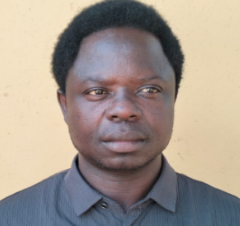
The writer is a South Sudanese Journalist and student at the University of Juba, pursuing a Master’s Degree in International Relations. He can be reached at khamiscosmas@gmail.com.
The views expressed in ‘opinion’ articles published by Radio Tamazuj are solely those of the writer. The veracity of any claims made is the responsibility of the author, not Radio Tamazuj.

 and then