



As South Sudan approaches its scheduled general elections in December 2026, it is fundamentally important for the government to guarantee free civic space so that citizens can fully exercise their constitutional freedoms of movement, assembly, and association. Given the mounting electioneering mood across the country, it is critical for the ruling party (SPLM) to allow other political parties the unhindered space to conduct their primaries and internal activities without government interference.
Right now, the political landscape risks distortion. When the SPLM appears more vocal on electoral matters than the designated National Elections Commission itself, the party risks running against its own shadow. This could severely dilute the very legitimacy the SPLM party is seeking. Credible elections are not measured by how many gubernatorial, parliamentary, or local seats are won unopposed; they are measured by genuine, open competition among all political parties.
It is clear that South Sudanese citizens are yearning for democratic choice. This is evidenced by the impressive number of individuals expressing their intent to run for office at state assemblies, the national legislature, and local government levels. While this enthusiasm is promising, the government must back it up with concrete, transparent plans. President Kiir has been candid about his push to move the country out of perpetual transitions through polls. However, elections are not just about announcing new leaders through a process dominated by a single political faction; they require strict adherence to legal procedures and foundational prerequisites to prevent polls from becoming a new source of conflict. Legitimacy cannot be engineered through managed arrangements; it must come from the hearts of the people.
The Way Forward
For the elections to achieve true credibility, the Political Parties Council must be given adequate resources and funding to support all participating political parties so they can carry out their grassroots primaries free from financial stress.
Senior party leadership of the SPLM, particularly Secretary General Dr. Akol Paul, should step up to ensure that rival political entities enjoy the exact same civic liberties and operational space that the ruling party utilizes for its own activities.
Additionally, the Government of South Sudan under President Kiir’s leadership should immediately lift travel bans and movement restrictions on political actors. Political players willing to travel across the country to campaign should be able to exercise their inalienable constitutional rights to associate, assemble, and choose leadership freely without intimidation.
Finally, the National Elections Commission must take full ownership of all electoral activities for every participating party. Crucially, any primary elections carried out by political parties at the grassroots level must be rigorously supervised by the Elections Commission to safeguard integrity.
Conclusion
South Sudan cannot afford another loop through the tragic cycles of political exclusion. Whether the country successfully manages its electoral timeline or faces difficult structural adjustments, one truth remains absolute: an election held under a cloud of censorship and restricted movement is an illusion of democracy.
If we truly wish our country to emerge from perpetual transitions into a stable, viable republic, our government must open the civic space by granting citizens their constitutional freedoms of movement, assembly, and association, and empowering the National Elections Commission to guide the process. South Sudan can transform its upcoming polls from a flashpoint of crisis into a genuine foundation for national unity if our leaders choose the politics of inclusion over exclusion.
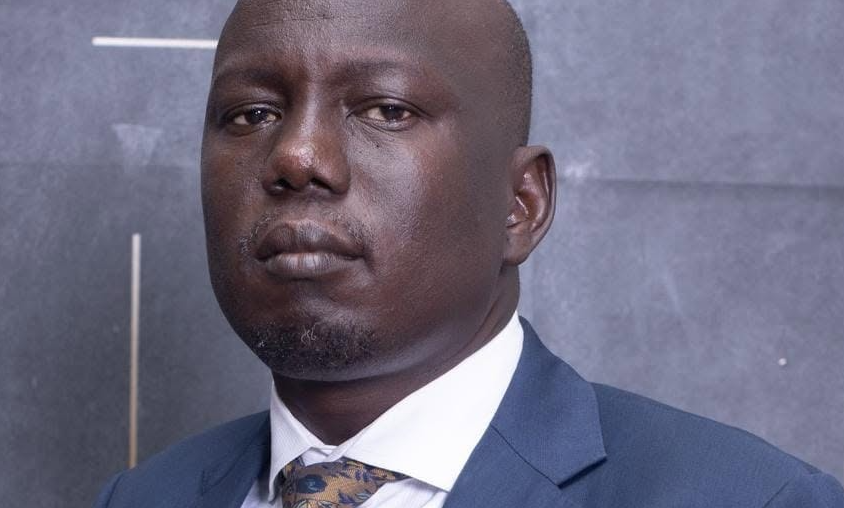
The writer, Michael Thon Mangok, is a political analyst based in Juba and a former host of the political talk show Wake-Up Juba on Radio Bakhita.
The views expressed in ‘opinion’ articles published by Radio Tamazuj are solely those of the writer. The veracity of any claims made is the responsibility of the author, not Radio Tamazuj.

 and then