



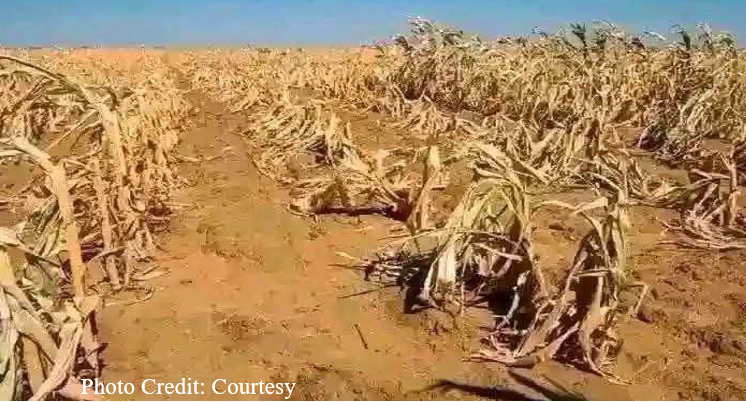
An unforgiving dry spell is spreading across South Sudan like a slow-burning fire, sucking the life out of once-fertile farmlands and pushing countless families to the brink. With rains failing for this season, the ground has turned rock-hard, crops have wilted beyond recovery, and the country is inching closer to what aid workers fear could become its worst hunger catastrophe in the coming months.
This isn’t a far-off prophecy about climate change; it’s an instinctive, day-to-day struggle playing out in real time. South Sudan, long identified as one of the globe’s most climate-exposed nations, is now feeling the full weight of erratic weather. The current drought isn’t an isolated event. It’s piling fresh misery onto communities already fractured by years of conflict and displacement. For families who depend entirely on the land and their herds, there is no backup plan. When the seeds don’t sprout, and the cows suffer from climate change, there is simply nothing left to eat and nothing to sell at market.
The blistering heat has been merciless. Fields that once swayed with tall stalks of maize and sorghum now resemble dusty plains, scattered with brittle remains that crumble at the slightest touch. In some areas, the vegetation has become so tinder-dry that farmers worry a single spark could set entire regions ablaze.
If the government does not step in swiftly, many fear this environmental disaster will morph into a full-blown humanitarian nightmare. Communities that were slowly piecing their lives back together after years of instability are now watching their fragile gains slip away through dry lands.
The resilience that once carried these people through conflict is wearing thin. With each passing week without rain, the margin for survival shrinks. Community members are pleading not just for sacks of grain, but early-warning networks that can help villages prepare before the next dry spell strikes.
South Sudan now stands at a crossroads. Without immediate action and a serious commitment to building long-term defenses against a changing climate, the nation risks sliding into a hunger crisis that could sweep across state lines and swallow up millions of lives. The sky remains stubbornly clear, and the earth continues to bake. For the farmers of South Sudan, every day without rain is a day closer to the edge.
The writer is a South Sudanese Journalist and student at the University of Juba, pursuing a Master’s Degree in International Relations. He can be reached at khamiscosmas@gmail.com.
The views expressed in ‘opinion’ articles published by Radio Tamazuj are solely those of the writer. The veracity of any claims made is the responsibility of the author, not Radio Tamazuj.

 and then