



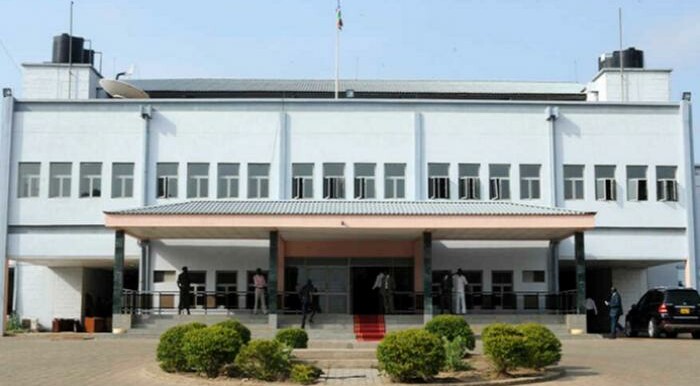
South Sudanese lawmakers warned on Wednesday that worsening insecurity could jeopardize preparations for elections planned for December, saying persistent violence has prevented many legislators from visiting their constituencies and raised concerns over whether candidates and voters will be able to move freely ahead of the polls.
The concerns were raised during a parliamentary debate on the deteriorating security situation in Tonj, Warrap State, where legislators said violence, poor access to conflict-affected areas and weak law enforcement threaten campaigning and voter participation.
Ketura Yona Mbara, an SPLM lawmaker representing the Western Equatoria Women’s List, said insecurity had left many lawmakers unable to travel to the areas they represent, questioning how elections could proceed if candidates could not safely reach voters.
“Today, our people are blaming us why we are not coming. I cannot go to Maridi. I will be killed in the middle here,” Mbara told parliament.
She said impassable roads and insecurity had made it impossible for her to visit any of the 10 counties she represents since joining parliament, despite repeated criticism from constituents.
“Which road are we going to use to go to our states? It’s a challenge to us all. And we say we are going for election,” she said.
Mbara also criticized what she described as years of parliamentary debates that had yielded little progress in improving security, and said lawmakers had been unable to reconnect with constituents because parliament had not gone into recess for nearly three years.
“For almost three years we don’t have recess. There is no money for recess. How do we go and see our people?” she said.
Bol Toby Madut, a lawmaker representing Warrap State under the SANU Party, said insecurity was a nationwide challenge and argued that military operations alone would not end recurring communal violence.
“Our approach for the issue in Tonj, it is only military force that we think of. And you cannot put up a fire with fire,” Madut said.
He urged the government to invest in development, employment and community-based peacebuilding, saying idle young people were more vulnerable to cycles of revenge killings and communal conflict.
Madut also said the limited presence of police in conflict-affected areas had contributed to lawlessness and backed a parliamentary proposal to summon the Governor of Warrap State. He said the Minister of Interior should also appear before lawmakers to explain the shortage of police officers in affected communities.
“The police are the ones supposed to handle law enforcement in the communities. Why don’t we have police in Tonj North County? He can come and explain to us, and from here we’ll be able to give recommendations,” he said.
The debate comes as South Sudan steps up preparations for elections scheduled for December. The vote, if held, would be the country’s first since independence in 2011 after repeated postponements under the 2018 peace agreement.
The government has repeatedly pledged to hold peaceful and credible elections, but insecurity, delays in implementing key provisions of the peace accord, political disputes and logistical challenges have continued to fuel doubts among local and international observers over whether nationwide polls can be conducted as planned.

 and then