



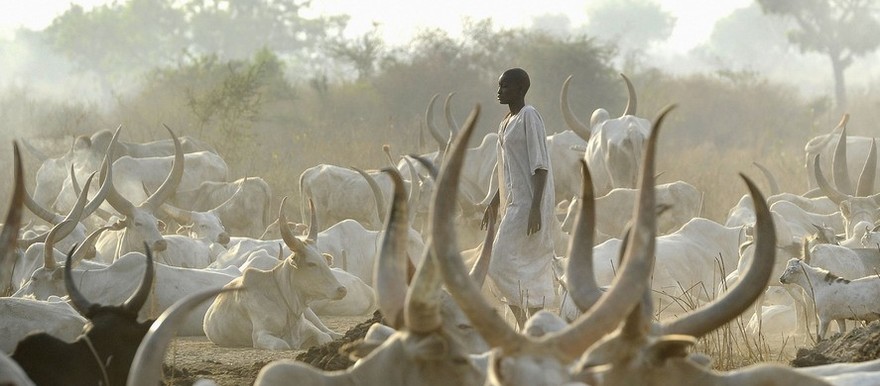
More than 200 cattle belonging to Eastern Equatoria State Caretaker Governor Louis Lobong Lojore remain missing following a raid in Torit, prompting the state government to appeal to local communities for information to help recover the animals and identify those responsible.
Siro Silvio Ewak, the deputy secretary-general of the state government, said the incident occurred at around 4 p.m. on Tuesday after cattle brought from Kapoeta to escape drought conditions were attacked.
He said the animals had been moved in search of better pasture because of severe drought and food shortages in their original grazing areas.
The herd initially comprised more than 1,000 cattle, but many had died because of poor health and inadequate pasture, Ewak said.
He said the suspected raiders drove the animals towards Osile Hill. Their tracks were later followed towards an area believed to lead to Lolianga village, although it was unclear whether the raiders had entered the village or continued beyond it.
Ewak said the government was investigating the incident to establish the whereabouts of the missing cattle and identify those responsible.
“We call for cooperation because criminals are criminals, and they are members of our community. We should not try to harbour them and protect their hideouts,” he said.
He urged residents of surrounding villages to provide credible information to security authorities, saying fear of retaliation could discourage people from reporting those suspected of involvement.
Margaret Itiara, a civil society representative in Eastern Equatoria, said preliminary information indicated that the attackers had ambushed the herd and injured one person.
She condemned cattle raiding, saying it exposes communities to violence and undermines security and economic development.
“Someone is dying because of other people’s cattle, not his own. They bring cattle in the name of others,” Itiara said.
She urged communities to reduce their reliance on livestock as their main source of wealth and explore alternative livelihoods, including small-scale businesses.
Residents in rural areas could buy goods in towns and resell them in villages where access to essential commodities was limited, she said. She also encouraged cattle owners to sell some of their livestock and invest the proceeds in commercial activities.
Cattle raiding and competition over resources continue to threaten security and peaceful coexistence in parts of Eastern Equatoria.

 and then