



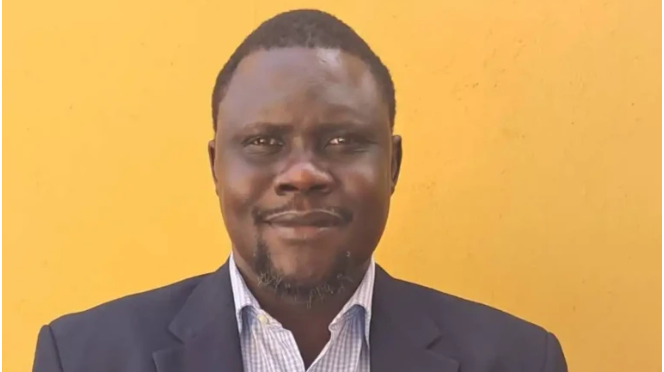
As a policy and political analyst, Chief Executive Officer of the Institute of Social Policy and Research (ISPR), and civil society leader, I am pleased to inform the citizens and communities I advocate for that I have officially registered to vote.
However, my experience at the voter registration centre has left me with mixed feelings and serious concerns about our national preparedness for democratic participation.
While observing prospective voters between the ages of 18 and 60, I noticed that roughly 80% of those present could not confidently state their dates of birth. Many appeared unsure of the exact day, month or year they were born. This is a serious issue that warrants urgent national attention.
My concern extends beyond citizens’ inability to recall their birthdates. I also observed that National Elections Commission (NEC) registration officers relied largely on verbal declarations, recording the information provided by applicants. Many people in the queue lacked national identification cards or other documents to verify their identity and citizenship.
While the NEC may not legally require a national ID card as a prerequisite for registration under the current electoral framework, this reality makes it even more critical that the legal and administrative safeguards governing the process are clearly understood by citizens and stakeholders alike.
I therefore call upon the National Elections Commission to take the following immediate steps:
Publicly disseminate the National Elections Act, 2026 (as amended), and the Transitional Constitution of the Republic of South Sudan, 2011 (as amended). Clearly communicate the legal requirements and procedures for voter registration, particularly those relating to eligibility, age, citizenship and identity verification. Partner with civil society organisations to strengthen civic and voter education across the country. Ensure transparency and consistency throughout the registration process by strictly adhering to clearly communicated legal provisions.
Making these legal instruments publicly accessible will enable civil society organisations, political stakeholders and community leaders to understand the exact requirements and provide accurate civic education.
As civil society leaders, our duty goes beyond simply mobilising people to register and cast their ballots. We must cultivate informed and responsible citizens who understand their rights, obligations and the institutions that govern them.
Democratic elections alone do not create a democratic nation. Informed citizens, credible institutions and respect for the rule of law are equally essential. South Sudan needs more than registered voters; it needs engaged citizens capable of meaningfully shaping the country’s future.
Let us build democratic citizens to build a democratic South Sudan.
The writer, Boboya James Edmond, is a policy and political analyst; a contributor on good governance and liberal democracy in South Sudan and Africa. He can be reached via boboyaj40@gmail.com.
The views expressed in ‘opinion’ articles published by Radio Tamazuj are solely those of the writer. The veracity of any claims made is the responsibility of the author, not Radio Tamazuj.
 and then