



South Sudan will not tolerate further disruptions to national stability, a senior presidential envoy said on Friday, as the government reiterated its commitment to holding elections in December despite concerns over security, political divisions and preparations for the vote.
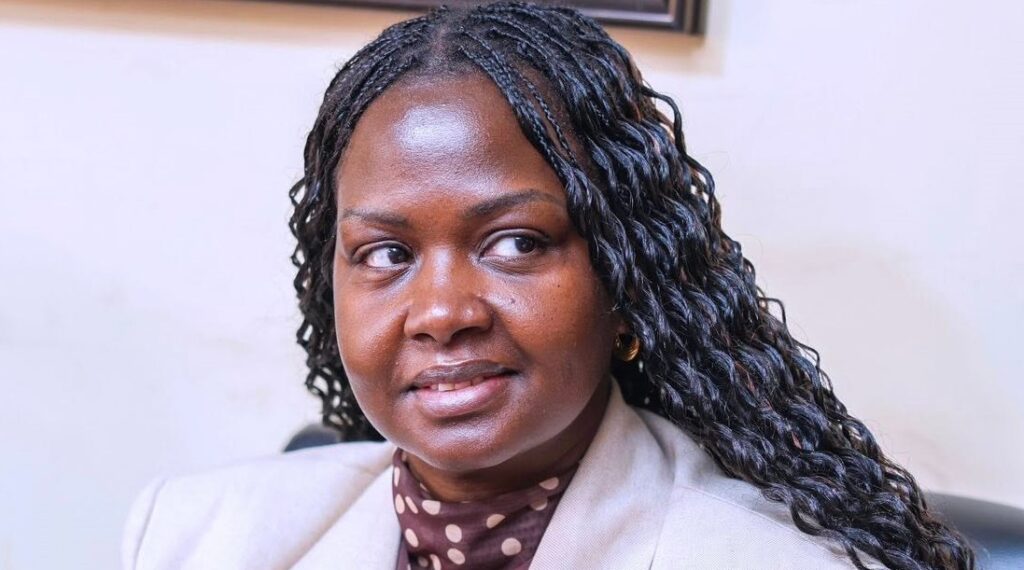
Adut Salva Kiir, Senior Presidential Envoy on Special Programmes, made the remarks at the conclusion of a two-week inter-party dialogue in Juba, urging political parties and state institutions to move from discussions to implementing measures for the elections scheduled for Dec. 22.
“The democratic timeline of this nation is absolute, and further transitions or extensions are no longer subject to negotiation,” Adut said, conveying the Presidency’s position.
“This country shall not tolerate further disruptions or lapses in national stability,” she added.
The dialogue, launched by President Salva Kiir on Sept. 24, brought together Juba-based political parties and other stakeholders to discuss election-related issues ahead of South Sudan’s first general elections since independence in 2011.
The government has presented the dialogue as a means of building consensus around peaceful and credible elections. However, some opposition groups have rejected the process, arguing that it is government-controlled and cannot address broader political grievances while former First Vice-President Riek Machar remains detained and on trial.
At the opening of the dialogue, President Kiir warned political parties against using the discussions to renegotiate or change the electoral timetable.
“This inter-party dialogue is not a place for negotiations and disagreement. It is not a place to shift the direction of the path that we have taken. It is not a place to hold us back,” Kiir said on Sept. 24.
His warning followed the dissolution of the transitional unity government on Sept. 22 and the appointment of a caretaker administration, moves that came three months before the scheduled election.
Adut reiterated the government’s position on Friday, saying the inter-party dialogue was not intended to reopen power-sharing negotiations or provide a platform for political grievances. Instead, she said, participants should focus on implementing measures needed to conduct the vote.
She identified four pillars of the electoral process: the legal framework, administrative and logistical preparations, security arrangements and dialogue among political parties.
Adut, who is President Kiir’s daughter, said legislative amendments had established the legal foundation for the elections and called on judicial institutions to prepare to handle electoral disputes impartially.
She urged the National Elections Commission and its working groups to accelerate preparations, including procurement and the deployment of election infrastructure.
On security, she called for faster deployment of unified security arrangements across the country’s states, saying the safety of voters and the maintenance of public order were essential to a credible election.
“The mandate of this dialogue must be fulfilled. A consensus path has been defined,” she said, urging political parties and institutions to implement the agreed measures.
Adut thanked regional and international partners, including the Intergovernmental Authority on Development, the African Union, the United Nations Mission in South Sudan and the Reconstituted Joint Monitoring and Evaluation Commission, for supporting the process.
She also acknowledged the participation of youth groups, women’s organisations, civil society representatives and religious leaders, saying their involvement was important to building public confidence in the electoral process.
The conclusion of the dialogue comes amid continuing questions about whether South Sudan can organise a credible vote by December.
Political divisions have deepened since Kiir dissolved the transitional government, while opposition groups have questioned the inclusiveness of the electoral process and the conditions under which the vote would take place.

 and then