



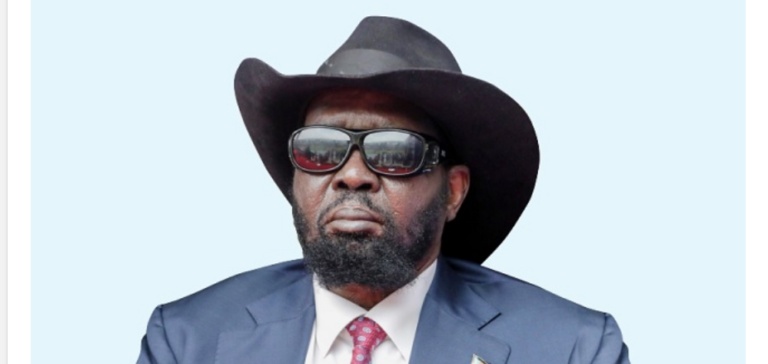
South Sudan’s President Salva Kiir said on Friday persistent cash shortages that have left bank customers unable to access their deposits would no longer be tolerated, as he swore in a new central bank governor tasked with restoring confidence in the country’s troubled financial sector.
Kiir appointed economist Addis Ababa Othow as governor of the Bank of South Sudan after dismissing Johnny Ohisa from the post on Wednesday without publicly giving a reason.
Ohisa had served as central bank governor on two previous occasions and was reappointed for a third term earlier this year. Othow also previously headed the central bank, serving from June to November 2025.
The change comes as Kiir continues a series of senior government reshuffles, while South Sudan grapples with declining revenues, high inflation, a weakening currency and recurring cash shortages that have strained the banking sector.
Speaking during Othow’s swearing-in ceremony, Kiir directed the new governor and other financial officials to implement urgent reforms to restore public confidence in the banking system and improve liquidity.
“I will not tolerate whatever is done here. When people deposit money in their accounts and they come tomorrow to withdraw it, they are told there is no cash,” Kiir said.
“I’m surprised. This issue of the cash crunch must stop, and people in the financial and banking sector must fix this loophole,” he added.
Kiir has issued similar warnings over the banking sector’s liquidity problems in previous years, urging officials to ensure customers have access to their deposits. However, cash shortages have persisted, with many commercial banks continuing to limit withdrawals despite repeated government pledges to address the problem.
South Sudan’s banking sector has struggled for years with liquidity shortages, leaving many commercial banks unable to meet customers’ cash withdrawal requests despite holding their deposits. The crisis has been compounded by foreign currency shortages, inflation and reduced government revenues following disruptions to oil exports.
Political analysts say frequent leadership changes in key financial institutions have done little to address the country’s structural economic challenges and have raised concerns over policy continuity.
In his first remarks after taking the oath of office, Othow pledged to work closely with the government, financial institutions and other stakeholders to rebuild public trust in the banking sector.
He said his priorities would include strengthening monetary stability, improving governance in the financial sector and implementing reforms to address South Sudan’s economic challenges.
Othow has an academic background in economics, banking, finance, public administration and development, with qualifications from institutions in Sudan and the Netherlands.
He takes office as the government seeks to curb inflation, improve access to banking services and restore confidence in a financial system that has come under increasing pressure from the country’s prolonged economic crisis.

 and then