



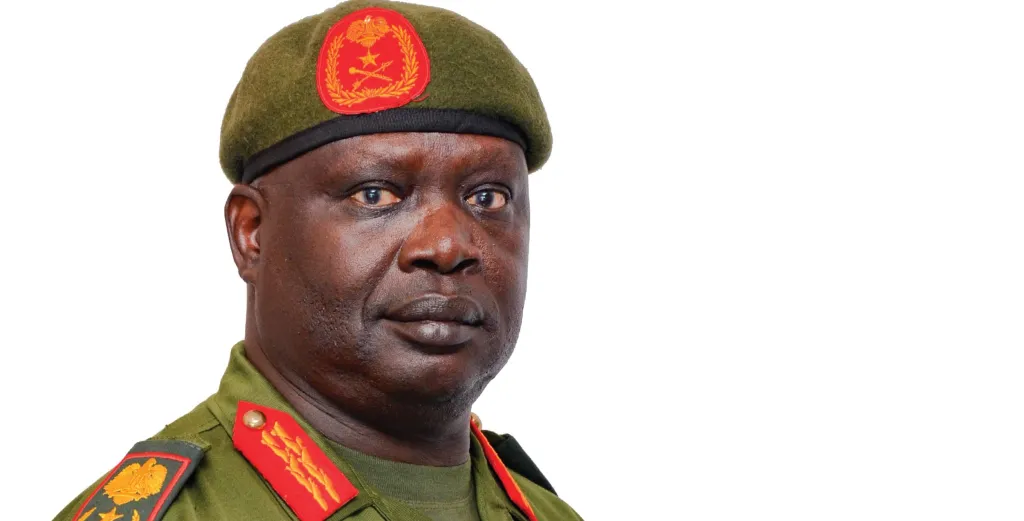
The leader of the rebel outfit South Sudan People’s Movement (SSPM), Gen. Stephen Buay Rolnyang, on Thursday said South Sudan’s Independence was supposed to bring about freedom, dignity, prosperity, and political stability, but that instead a dictatorship which has dashed the hopes of the people has entrenched itself in the country.
In a scathing Independence Day Anniversary message extended to Radio Tamazuj, he warns that the nation is at risk of collapse, disintegration, and domination by tribal warlords and powerful traditional elites. He contends that elections conducted under current conditions, without reforms, accountability, or inclusivity, would be sham elections and would only deepen the crisis.
“Fellow citizens, today, we commemorate fifteen years since the birth of our Republic. On this historic day, we honor the sacrifices made by generations of South Sudanese who struggled from 1955 until the signing of the Comprehensive Peace Agreement (CA) in 2005, culminating in the referendum that delivered our independence in 2011,” Gen. Buay said. “Independence was meant to usher in freedom, dignity, and prosperity. It was expected to bring political stability, economic growth, and social development. Our people hoped for roads, schools, hospitals, clean water, electricity and other basic services that affirm the value of citizenship and the promise of self-determination.”
“Yet fifteen years on, these aspirations remain unfulfilled. Instead, dictatorship has entrenched itself through patronage networks, corruption, tribalism, marginalization, intimidation, and the persecution of dissent, plunging the country into civil war merely within two years of independence,” he added.
According to the rebel leader, the result has been poverty, insecurity, and political instability.
“Communities suffer from cattle raiding, inter-communal violence, and banditry along major highways. Families lack access to healthcare, with preventable diseases claiming lives and women dying during childbirth due to the absence of nearby hospitals. Illiteracy remains widespread, and children are denied the future they deserve,” he said. “The capital city, Juba, still relies on generators, without a functioning and reliable electricity grid or water system. Citizens rely on unsafe river water or tanker supplies, and civil servants go for years without pay. At the same time, oil revenues, our nation’s most valuable resource, are mismanaged and diverted to cartels.”
Gen. Buay said that oil-producing communities endure pollution and environmental degradation, with no benefits reaching them, and children are born with deformities due to toxic exposure.
He argues that the path forward is not in extensions, elections, or hollow promises, but in genuine “national rescue.”
“South Sudan must convene an inclusive national dialogue that brings together all stakeholders: opposition and political groups, civil society, faith-based institutions, women, youth, and traditional leaders,” Gen. Buay posited. “Only through such a dialogue can a new political arrangement be charted, unity restored, and lasting peace secured.”
“On this 15th anniversary, let us recommit ourselves to the unfinished promise of independence: a South Sudan that is free, just, democratic, and prosperous for all its citizens. Long live the Republic of South Sudan! Long live the struggle for justice and unity! Happy Independence Day!” he concluded.

 and then