



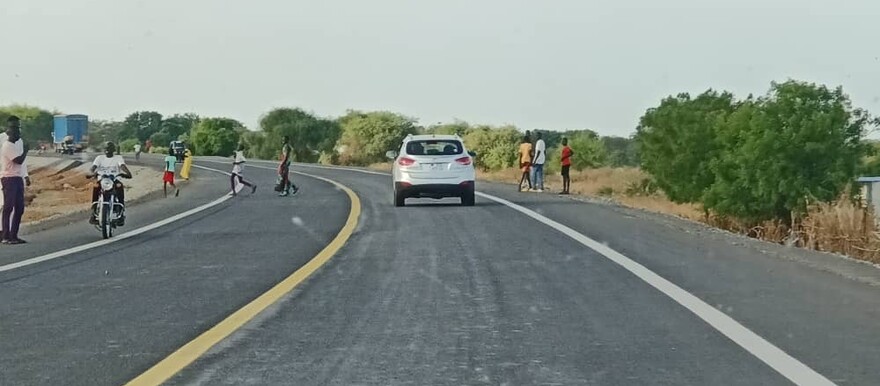
Four soldiers from the South Sudan People’s Defense Forces (SSPDF) have been arrested after authorities discovered a quantity of bush meat concealed in a military ambulance along the Juba–Bor road, wildlife officials said on Thursday.
Maj. Gen. Khamis Adiang Diing, Director General of Wildlife Conservation and Tourism, described the incident as a serious violation of wildlife protection laws and a setback to conservation efforts.
“The use of a military ambulance to transport bush meat is a serious violation of wildlife protection laws and undermines national conservation efforts,” Adiang told Radio Tamazuj.
He said illegal wildlife trade along the Juba–Bor road had become a growing concern and that authorities would continue working with security agencies to curb the practice.
The four suspects are being held in custody while investigations continue to determine the origin of the bush meat and whether other individuals were involved, officials said. Authorities added that the case could lead to prosecution under South Sudan’s wildlife protection laws.
“No individual is above the law,” Adiang said. “If investigations confirm wrongdoing, those involved will face the legal consequences regardless of their position or affiliation.”
He said protecting South Sudan’s wildlife required cooperation among communities, law enforcement agencies and conservation authorities to combat poaching and illegal trafficking networks.
Wildlife officials have repeatedly warned that the illegal bush meat trade threatens biodiversity, weakens conservation efforts and poses public health risks associated with the handling and transportation of unregulated wild animal products.
In recent years, authorities have carried out similar enforcement operations along major transport corridors, including the Juba–Bor highway, resulting in arrests and the seizure of large quantities of bush meat.
The SSPDF has not publicly identified the arrested soldiers. The military has, however, consistently maintained that involvement of its personnel in wildlife-related crimes will not be tolerated and that offenders will face legal action.
South Sudan is home to some of Africa’s most significant wildlife populations, but conservationists warn that poaching and illegal wildlife trafficking remain major threats to the country’s natural heritage.

 and then