



Authorities in Central Equatoria State said they recorded 120 cases of gender-based violence (GBV) between May and June this year, warning that women and girls continue to face growing security risks.
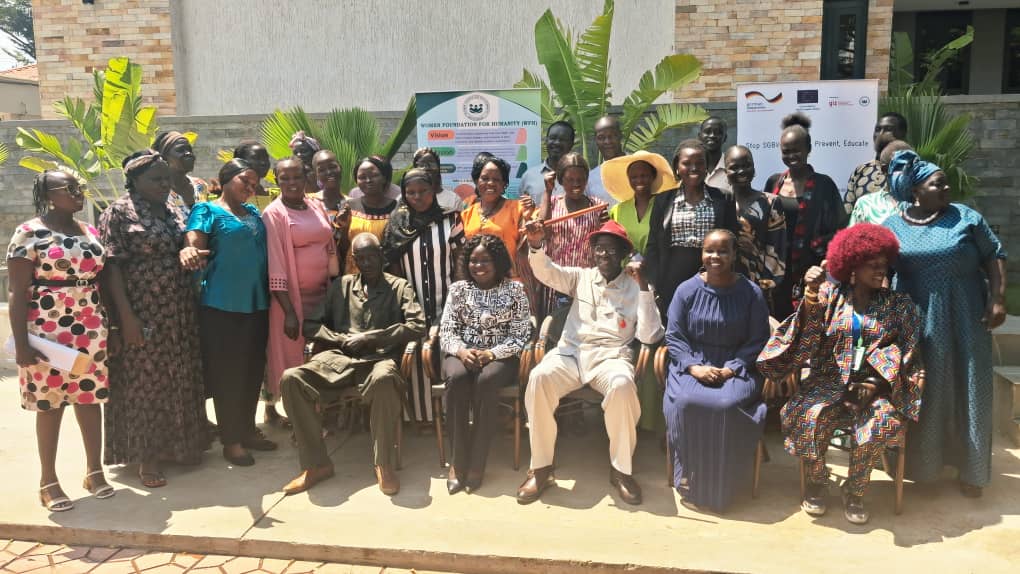
The figures were announced on Thursday during the launch of the Respect Project, an initiative by the Women Foundation for Humanity funded by GIZ to strengthen community efforts to prevent sexual and gender-based violence (SGBV) in Gondokoro Island.
Nunu Diana Alison, Director General at the Central Equatoria State Ministry of Gender, Child and Social Welfare, said the cases were reported through the One-Stop Centre at Juba Teaching Hospital.
“From May up to June, the State Ministry through its One-Stop Centre in Juba Teaching Hospital has recorded increasing cases of gender-based violence,” Alison told the launch.
“Within only one and a half months, we have recorded 120 cases of gender-based violence in Central Equatoria State. The number has increased, and it’s really upsetting and traumatizing.”
She said the figures suggest women and girls remain vulnerable to violence across the state.
“It means the state is not safe for young girls and women,” she said.
Alison said some of the reported cases came from Gondokoro Island, where women often travel long distances to cultivate farmland.
“We have also recorded cases from Gondokoro Island. Women who go farming are sometimes abused on their way to accessing their farms,” she said.
She attributed the rise in cases to several factors, including alleged gang rapes involving youth groups linked to drug abuse, economic hardship and the erosion of traditional family values.
The ministry plans to validate a gender-based violence referral pathway on June 29 to improve reporting, case management and access to services for survivors, Alison said.
She added that survivors who report cases through the One-Stop Centre receive medical treatment, psychosocial support and legal assistance.
Dorothy Drabuga, Executive Director of the Women Foundation for Humanity, said Gondokoro Island was selected for the project because of its isolation and the vulnerability of women living there.
“The women living on that island face many challenges, from sexual and gender-based violence to land rights issues,” she said.
Drabuga said the project will raise awareness of women’s rights, train community leaders and women, and encourage dialogue on harmful cultural practices that discriminate against women.
The initiative will establish community discussion groups to examine discriminatory social norms alongside statutory laws that protect women’s rights, she said, adding that while culture plays an important role in society, practices that undermine the rights and dignity of women should be replaced with positive values that promote equality.

 and then