



A persistent cash shortage in South Sudan is disrupting operations at private schools in Central Equatoria State, with administrators saying limited access to bank withdrawals is affecting basic education services.
School directors in Juba County said the liquidity crisis has made it difficult to access funds held in commercial banks, constraining day-to-day activities including examination preparation, utilities and other operational costs.
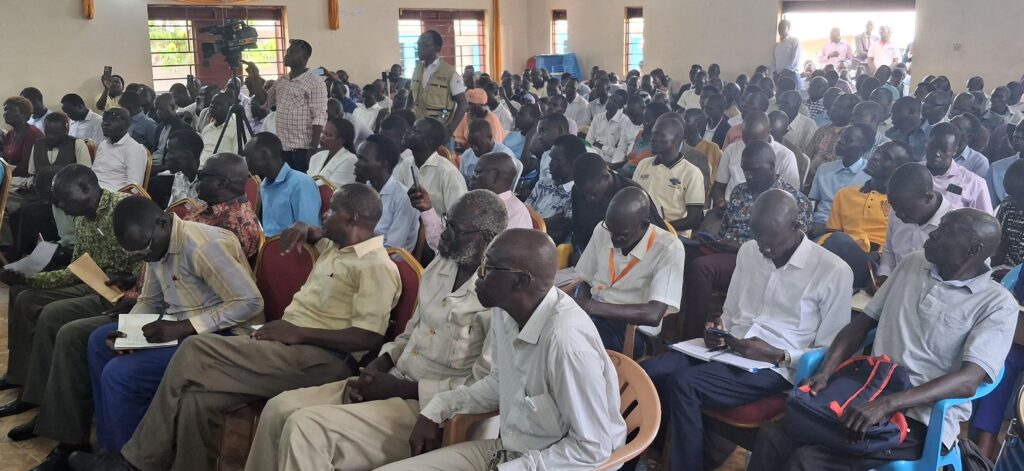
The concerns were raised on Wednesday during a meeting between private school owners, teachers and Central Equatoria State Minister of General Education and Instruction Lupai Satimon.
Meta Loro Emmanuel, managing director of Baraka Central Nursery and Primary School and Hilltop High School in Luri Payam, said schools were struggling to access their own funds despite urgent obligations.
“The countrywide cash crisis has affected most of the schools,” Emmanuel said. “Our money is trapped in the banks and we cannot access it. For example, when you go to process examinations, the bank only gives you 50,000. How can we process examinations for learners?”
He said the shortage was also affecting the provision of water and printing of examination materials.
Emmanuel called on the state authorities to escalate the matter to the national government, warning that the situation was undermining the delivery of education services.
“I am raising this concern to you as the minister in Central Equatoria State so that it reaches the national government because it is really affecting school operations,” he said.
Juma Ladu, a representative from Rejaf Payam, said liquidity constraints, alongside broader payment delays in the economy, were affecting parents’ ability to pay school fees on time.
“On the payment of the 3 percent, the truth is that the lack of liquidity has made many parents unable to pay school fees,” Ladu said. “Many people in South Sudan have not been able to access their money.”
Constance Akello, director of Gumbo Christian School, said her school had been unable to remit the required 3 percent levy to the state government for three years due to limited access to cash.
Private schools play a significant role in South Sudan’s education system, but administrators warned that prolonged liquidity constraints could further disrupt learning if the situation is not addressed.

 and then