



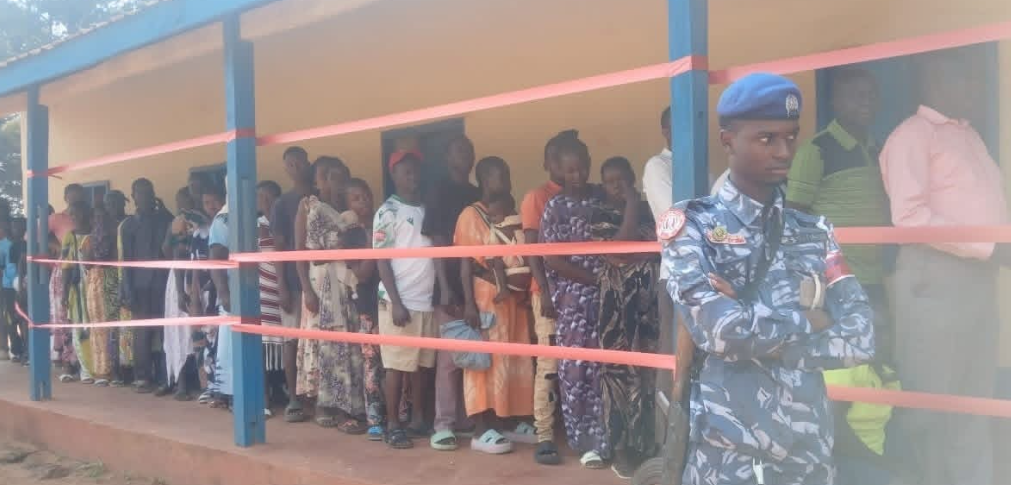
South Sudan began registering voters on Saturday, November 14, 2026 ahead of general elections scheduled for February 11, 2027.
The National Elections Commission (NEC) says the exercise will run until Saturday, November 28 at 3,161 registration centres across the country’s 10 states and three administrative areas.
Voter registration is governed by the National Elections Act 2012, as amended. The legislation sets out who is eligible to vote, the conditions for registration, the responsibilities of the elections commission and the procedures for correcting or challenging entries in the electoral register.
Here is what voters need to know.
Who is eligible to vote?
Section 34 of the National Elections Act states that a person is eligible to vote if they are a South Sudanese citizen and an adult.
The Act defines an adult as a person who has attained the age of 18.
Section 35 sets out additional conditions for registration. A person seeking to register must meet the residency or origin requirement, provide an acceptable identification document or certificate, and must not already be registered in another geographical constituency.
The law states that a voter must be at least 18 years old at the date of registration.
Where can a person register?
Under Section 35(2), a person must have lived in the geographical constituency where they intend to register for at least three months before the electoral register closes.
However, the law also allows a person to register in a constituency from which they originate, even if they have not lived there for the required three months.
Applicants must provide a personal identification document or a certificate authenticated by a county authority or a recognised native or traditional administrative authority confirming their eligibility.
A person cannot be registered in more than one geographical constituency.
These requirements are intended to establish a voter’s connection to the constituency in which they seek to participate in an election.
What documents are required?
The law provides for applicants to present a personal identification document or an authenticated certificate from a county authority or a recognised traditional administrative authority.
The NEC has also urged citizens to present documents that can help establish their identity and age, including national identity cards and passports. Its registration guidance has also referred to birth certificates and other forms of identification provided for under the applicable regulations.
People without formal identification should seek guidance from registration officials on the accepted certification process, including the role of traditional authorities.
Can citizens living abroad register?
The law provides for the registration of South Sudanese citizens living outside the country, subject to specified conditions.
Under the 2026 amendment to Section 35(3), a South Sudanese national residing abroad and holding a South Sudanese passport may apply for registration and inclusion in the electoral register for presidential elections or referendums, in accordance with the Act and applicable regulations.
The provision does not, by itself, establish how or when diaspora registration and voting will be conducted. The NEC would need to communicate the applicable procedures and arrangements to eligible citizens abroad.
Can a voter change their constituency?
Yes. Section 35 allows a registered voter who wishes to transfer their registration to another electoral area to notify the commission in the prescribed manner at least 90 days before an election.
The commission is required to transfer the voter’s registration particulars to the preferred constituency no later than 60 days before polling day.
Can prisoners vote?
The 2026 amendment provides that prisoners in states and administrative areas have the right to participate in an election or referendum in the area where they are imprisoned, in accordance with the Act.
This provision recognises the right of eligible prisoners to participate in the electoral process. The NEC should explain the practical arrangements for registering prisoners and facilitating their participation.

 and then