



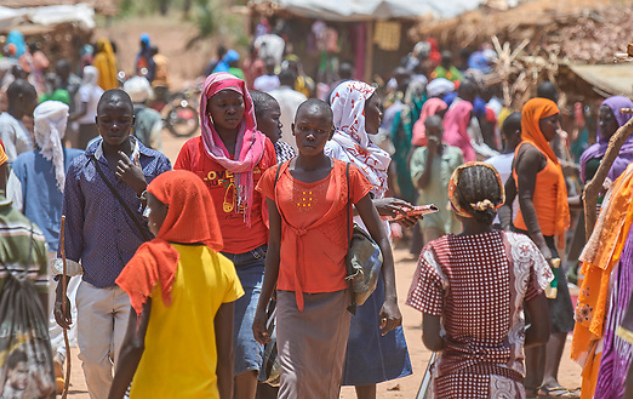
The chairman of the Amdolo Central Market Chamber of Commerce in Anmbong County in Sudan’s Nuba Mountains region has reported a 50 percent decline in purchasing power at the market, citing insecurity and disruptions to trade.
Sylvester Philip Matar said the market had expanded considerably following the outbreak of war in Sudan in April 2023 and that the suspension of trading activities at Al-Katal Market has transformed Amdolo into a major wholesale trading hub.
“The suspension of mining operations and the security incidents in neighboring Heiban County have significantly affected market activity,” Matar said.
He explained that trade between West Kordofan and South Kordofan states had previously been particularly vibrant but had since declined sharply.
According to Matar, most goods sold at Amdolo Market were supplied through Yida Market in South Sudan and Al-Naam Market in West Kordofan, which he described as the market’s two principal supply hubs.
However, he said trade routes were frequently disrupted during the rainy season, resulting in higher prices and prolonged delivery times.
Matar added that traders’ fear of an escalation in intercommunal fighting, fueled by rumors, had discouraged them from stockpiling sufficient quantities of goods ahead of the rainy season.
“This reluctance has contributed to shortages of essential commodities, particularly sugar, as well as construction materials, notably cement,” he said.
He said the Chamber of Commerce played a significant role in monitoring and regulating prices, overseeing trading activities and preventing monopolistic practices.
Matar further revealed that traders and entrepreneurs in the Nuba Mountains region were developing future investment and market expansion projects in collaboration with the regional government.
He expressed hope that improved security would enable traders to expand their businesses and establish new outlets in villages and rural communities across the region.

 and then