



A growing number of voices across South Sudan are urging that the December 2026 general election be pushed back, insisting that without formal campaigns, a functioning voter roll, and widespread civic education, a trustworthy vote simply cannot happen. That reasoning deserves scrutiny. Yet what is genuinely unworkable is the idea that the country’s political elites can keep postponing the people’s democratic will repeatedly.
Every citizen must consider a straightforward question. Are we genuinely prepared to cast a ballot? The truthful response, uncomfortable as it may be, is no. The groundwork required for an election that is free, fair, and peaceful has not been laid. It is time to acknowledge this and delay the polls by two additional years.
No credible election can stand without certain essential pillars. South Sudan presently has almost none of them in place.
There is still no permanent constitution. The transitional charter was supposed to give way to a lasting document setting out the rules of governance and safeguarding the rights of citizens. That document remains unwritten. Conducting elections without it is like erecting a building with no foundation beneath it.
The nation also lacks a trustworthy national census and a dependable voter register. If we do not know how many citizens there are or where they reside, how can we ensure that each ballot carries equal weight? A register assembled on guesswork will yield an outcome nobody believes in, and an outcome nobody believes in is one nobody will accept.
The security provisions of the 2018 peace deal are still unfinished. The unified national army, a force meant to protect every citizen, irrespective of tribe or political loyalty, has not been fully assembled. Armed groups continue to disturb other regions. Under such circumstances, how can any citizen cast a vote without dread?
Millions of South Sudanese are still displaced, either within the country or as refugees in neighbouring states. Many have no means of getting home in time to register, much less to vote. An election that leaves out a huge share of the population is not a national election. It is a partial one.
Press freedom is self-conscious, and civil society groups work under relentless pressure. Democracy cannot survive in such conditions.
Critics will contend that postponement is merely a ruse for those in power to hold onto their positions. That worry is understandable. But the remedy is not to plunge rashly into a flawed vote that threatens the nation. The remedy is to spend the coming two years productively finalising the constitution, carrying out a credible census, unifying the army, resettling the displaced, and opening up political space.
Delay is not defeat. It is good judgement. It is an acknowledgement that peace matters more than a date circled on a calendar. It is an opportunity to do things properly.
To the people of South Sudan. Do not let anyone convince you that a hurried vote equals democracy. It does not. Democracy demands planning, confidence, and impartiality. Not all of these are present today.
To the government, the opposition, and the international community. Put the people first. Postpone the December 2026 elections by two years. Use that period to lay the groundwork for a nation where every citizen can vote freely and safely, and where every ballot genuinely counts.
South Sudan’s future is too valuable to risk on an election that is not ready. Let us choose peace over haste. Let us choose preparation over risk. Let us choose two more years to get it right.
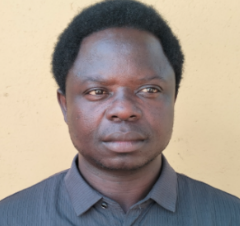
The writer is a South Sudanese journalist and a student at the University of Juba, pursuing a Master’s Degree in International Relations. He can be reached at khamislokudu@gmail.com
The views expressed in ‘opinion’ articles published by Radio Tamazuj are solely those of the writer. The veracity of any claims made is the responsibility of the author, not Radio Tamazuj.
 and then