



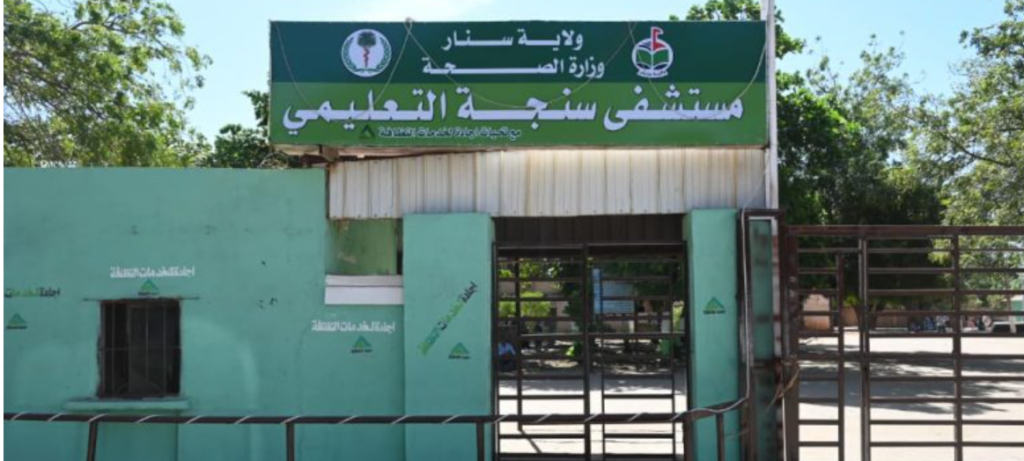
Rising cases of dengue fever and malaria are putting pressure on health services in Sudan’s Sennar state, with medicine supplies dwindling as hospitals struggle to keep pace with demand, the medical director of Singa Teaching Hospital said.
Dengue fever and malaria are mosquito-borne diseases that can cause fever and body aches. Both can become life-threatening if severe cases are not treated promptly.
Safaa Abdelrahim Bashir Al-Fidaawi told Radio Tamazuj on Friday that stagnant rainwater, prolonged power cuts and deteriorating infrastructure had created favourable conditions for mosquito breeding in Singa, the state capital.
“The effects of the war have left many roads and streets prone to water accumulation, creating favourable conditions for mosquito breeding,” she said.
Al-Fidaawi said frequent electricity outages had disrupted access to reliable water supplies, forcing residents to store water in barrels, tanks and other containers. Containers that are not properly cleaned or covered can become breeding grounds for mosquitoes, she added.
The hospital received about 180 patients with dengue fever and malaria during the past week, of whom more than 150 had recovered, Al-Fidaawi said. She did not provide a breakdown by disease.
The hospital is struggling to secure medicines for severe dengue cases and related complications as patient numbers rise, she said.
“Drug supplies are under severe pressure and are dwindling because the number of patients seeking treatment sometimes exceeds the speed at which the required medicines can be replenished,” Al-Fidaawi said.
She said the hospital had contacted the state health emergency committee to request emergency and essential medicines after dengue cases began emerging and the number of patients seeking treatment increased.
Health authorities, local officials, humanitarian organisations and community volunteers have organised spraying campaigns inside and outside homes and public institutions, alongside public awareness activities aimed at preventing mosquito breeding and reducing infections, she said.
Campaigns using videos, posters, community theatre and media outlets were helping residents understand prevention measures, Al-Fidaawi said, adding that health workers had observed a gradual improvement in public response to health advice.
The cost of treatment remains a significant burden for residents seeking care at private health facilities and outpatient clinics, she said. At government hospitals, laboratory tests, treatment and essential medicines are provided free of charge to ease the financial pressure on patients, she added.
Sudan’s health system has been severely disrupted by the war that erupted in April 2023, which has damaged infrastructure and placed additional pressure on medical services and supplies. The conflict has also compounded challenges in controlling mosquito-borne diseases, including dengue fever and malaria.

 and then