



A South Sudanese political analyst has raised concerns over preparations for the country’s elections scheduled for 22 December, saying the National Elections Commission (NEC) has yet to publicly issue a roadmap outlining key activities and timelines ahead of the vote.
Analyst: South Sudan elections lack roadmap as December vote nears
A South Sudanese political analyst has raised concerns over preparations for the country’s elections scheduled for 22 December, saying the National Elections Commission (NEC) has yet to publicly issue a roadmap outlining key activities and timelines ahead of the vote.
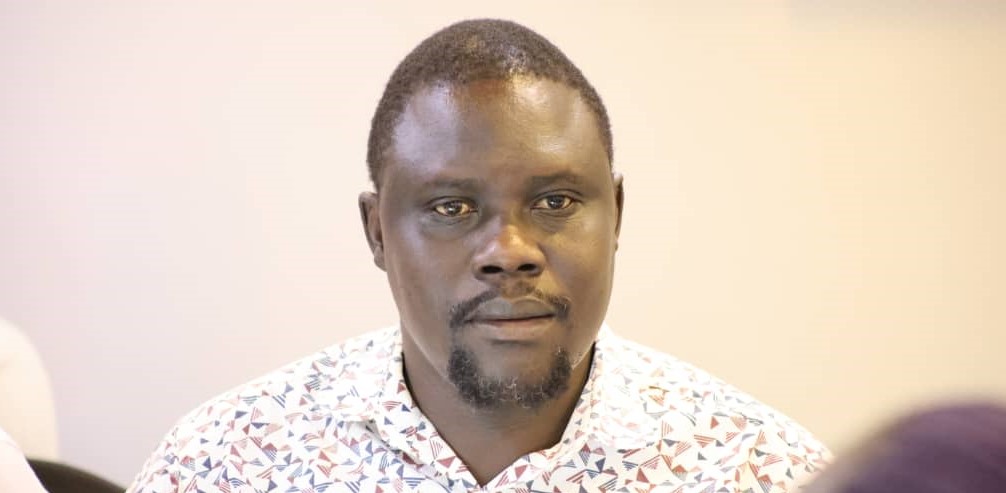
Boboya James Edimond, chief executive officer of the Institute of Social Policy Research, said the commission had made limited progress in its preparations, with voter registration arrangements yet to be publicly communicated.
“The National Election Commission has not issued a roadmap, and the activities conducted by the NEC have been slow,” he said, warning that the lack of publicly available information was raising concerns among the population.
He said an election roadmap was necessary to clarify the responsibilities of electoral officials, political parties, observers, the media and civil society organisations, as well as establish timelines for the various stages of the process.
Edimond also raised concerns about the funding available for the elections, saying the commission had received only 27 million US dollars out of the 250 million dollars reportedly required to conduct the vote.
He said the government was seeking additional funds but had yet to secure the required resources, warning that financial constraints could affect preparations, including training and orientation for electoral officials and the development of guidelines for political parties, election observers and the media.
According to Edimond, Nigeria was the only country to have pledged technical support for the elections, while other countries had yet to publicly engage with the commission on its preparations.
He also questioned the readiness of political parties, saying the ruling Sudan People’s Liberation Movement (SPLM) was the only party he had seen actively organising for the elections by inviting members to collect nomination forms for prospective candidates.
He, however, said the SPLM’s activities had largely been concentrated in Juba, with limited activity in the states. He added that the party had yet to hold its caucuses and national convention.
Edimond said most other political parties had also not reorganised themselves in preparation for the elections, raising questions about their readiness to participate in the scheduled vote.
He further questioned the role of President Salva Kiir in election preparations, saying responsibilities such as organising electoral processes and procuring ballot papers should be handled by the NEC.
The analyst argued that the president’s involvement in such matters raised concerns because he was also a participant in the electoral process.
Edimond also said the recent national dialogue had yet to establish a clear framework for addressing the political and institutional requirements for credible, acceptable and peaceful elections.
He said the outcome of the dialogue should help clarify how the country would move forward and whether the necessary conditions for the elections could be established.
South Sudan is scheduled to hold elections on December 22, 2026, amid continuing political and logistical challenges. Edimond warned that the process risked becoming a rushed exercise without adequate safeguards if the outstanding preparations were not addressed.
He called for clear timelines, adequate funding, training for electoral officials, and the establishment of guidelines to support the participation of political parties, observers, the media, and civil society. said the commission had made limited progress in its preparations, with voter registration arrangements yet to be publicly communicated.
“The National Election Commission has not issued a roadmap, and the activities conducted by the NEC have been slow,” he said, warning that the lack of publicly available information was raising concerns among the population.
He said an election roadmap was necessary to clarify the responsibilities of electoral officials, political parties, observers, the media and civil society organisations, as well as establish timelines for the various stages of the process.
Edimond also raised concerns about the funding available for the elections, saying the commission had received only 27 million US dollars out of the 250 million dollars reportedly required to conduct the vote.
He said the government was seeking additional funds but had yet to secure the required resources, warning that financial constraints could affect preparations, including training and orientation for electoral officials and the development of guidelines for political parties, election observers and the media.
According to Edimond, Nigeria was the only country to have pledged technical support for the elections, while other countries had yet to publicly engage with the commission on its preparations.
He also questioned the readiness of political parties, saying the ruling Sudan People’s Liberation Movement (SPLM) was the only party he had seen actively organising for the elections by inviting members to collect nomination forms for prospective candidates.
He, however, said the SPLM’s activities had largely been concentrated in Juba, with limited activity in the states. He added that the party had yet to hold its caucuses and national convention.
Edimond said most other political parties had also not reorganised themselves in preparation for the elections, raising questions about their readiness to participate in the scheduled vote.
He further questioned the role of President Salva Kiir in election preparations, saying responsibilities such as organising electoral processes and procuring ballot papers should be handled by the NEC.
The analyst argued that the president’s involvement in such matters raised concerns because he was also a participant in the electoral process.
Edimond also said the recent national dialogue had yet to establish a clear framework for addressing the political and institutional requirements for credible, acceptable and peaceful elections.
He said the outcome of the dialogue should help clarify how the country would move forward and whether the necessary conditions for the elections could be established.
South Sudan is scheduled to hold elections on December 22, 2026, amid continuing political and logistical challenges. Edimond warned that the process risked becoming a rushed exercise without adequate safeguards if the outstanding preparations were not addressed.
He called for clear timelines, adequate funding, training for electoral officials, and the establishment of guidelines to support the participation of political parties, observers, the media, and civil society.

 and then