



There has been a lot of debate, argument and confusion around the validity of the Revitalized Agreement on the Resolution of the Conflict in the Republic of South Sudan (R-ARCISS), especially with the continuous grave violations of it with impunity. Recently, Dr. Lam Akol, Leader of the National Democratic Movement (NDM), gave an interesting statement regarding the existence and validity of the R-ARCISS, and I quote: “the current peace agreement doesn’t serve its intended purpose, rendering it inoperative and nonfunctional.” His observation is clearly backed up by the fact that the entrenched provisions of the Agreement have already been tampered with, if not completely eliminated.
Another complicated situation is the arbitrary arrest and detention of the key R-ARCISS principal and leader of the second leading party (SPLM-IO), Dr. Riek Machar. The SPLM-IO leaders are currently battling their court case, although so many calls have been made by regional and international actors and partners for the government to release Dr. Riek Machar and other SPLM-IO leaders in detention. However, calls for engaging in meaningful and constructive inter party dialogue have been deliberately ignored by the Government.
It is my considered view that the Doctrine of Basic Structure does apply to the R-ARCISS and that the entrenched provisions of it were never meant to be amended without following the due processes as provided by the same Agreement. Legally, the recent amendments made to the R-ARCISS, led mainly by the SPLM government, were made in disregard of the procedures provided for under Article 8.4 of the R-ARCISS and by bypassing the RJMEC, which depicted a picture of Parliament having replaced and assumed the functions and authority of RJMEC. The fundamental role of Parliament under Article 8.4 of the R-ARCISS is only to ratify the amendment effected by RJMEC. Therefore, without any resolution from RJMEC effecting the amendments, Parliament has absolutely no authority to amend the same, and any action taken by it in that regard is a total violation and infringement of the entrenched provisions of the Agreement.
The Revitalized Peace Agreement under Articles 1.7.5, 1.8.3, 1.13 and 1.16.3 provides a clear framework and procedures for the removal and replacement of leaders in government at different levels. However, the President has on numerous occasions removed and replaced the SSOA Vice President, Ministers, National Members of Parliament, Governors and state officials without any resolution passed by that particular Party, as dictated by the Agreement. The collegiality spirit of the Agreement under Article 1.19 died when the President solely started deciding for all the Parties without their consultation, knowledge or approval. This is equally against the letter and spirit of the Agreement.
Recently, Vice President Mama Rebecca Nyandeng raised serious concerns regarding the manner under which the affairs of the government are managed. She complained that, for two years, she has been unable to meet the President. What is so alarming is the fact that she heads the Service Cluster, part and parcel of the Presidency. Previously, Vice President Taban Deng Gai raised the same concern regarding inaccessibility to the President. Although, on both occasions, SPLM sympathizers have rubbished these claims, they failed to appreciate that the two Vice Presidents are also senior SPLM leaders.
It has been proven beyond reasonable doubt that the current structure or framework of the R-ARCISS cannot and will never be implemented due to a lack of genuine political will. The Agreement has already disadvantaged other Parties. The SPLM under President Kiir solely and arbitrarily decides on what, when and how to deal with the R-ARCISS. The other Parties have been reduced to spectators rather than active participants.
I recognize the tremendous appeal by regional and international partners or actors that the R-ARCISS remains the only viable political and legal framework for South Sudan, as much as we understand their concerns and based on the Helsen theory of governance. However, the fundamental unanswered question is: which Peace Agreement? The one already abrogated and destroyed by the main Party to it? The Peace Agreement is already abandoned by the Parties to it and currently in limbo. Unfortunately, they have resorted to implementing their own agenda.
It is evidently clear that the R-ARCISS died and was buried on the day Dr. Riek Machar was arrested and detained, and what is purportedly being implemented in Juba is not the R-ARCISS with all its intent and purposes. There is complete insecurity in the Country, forces loyal to Dr. Riek Machar are fighting and battling the SPLM led government. There is absolutely no implementation of the R-ARCISS taking place.
Under the current complicated context, the only way out for the Country is not an election because the core basic prerequisites for the conduct of any election have not been met by the government. The Country urgently needs inter party dialogue, as emphasized by regional and international bodies or partners. However, the inter party dialogue should produce a new political and constitutional order or dispensation that strictly focuses only on the key prerequisites or activities for the conduct of the election.
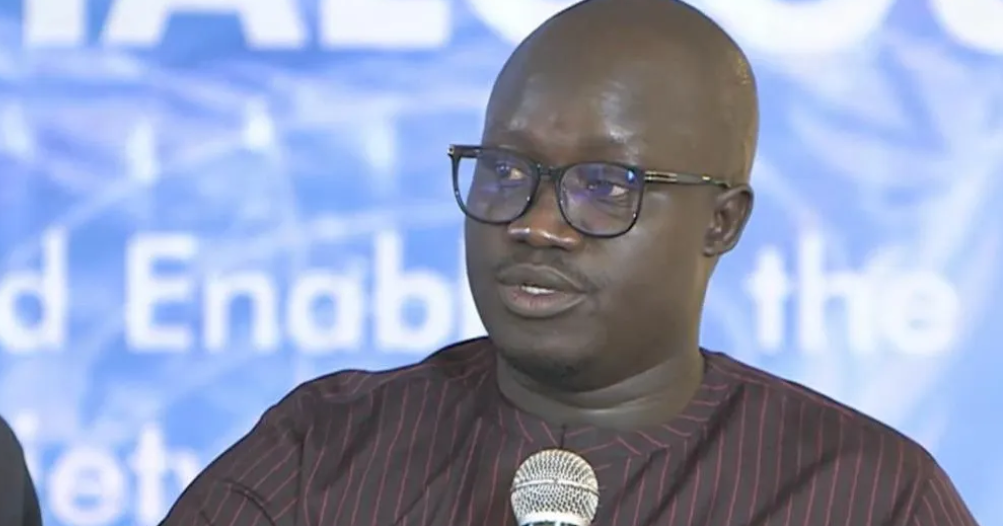
The writer, Wani Michael, is a lawyer, founder of the Foundation for Constitutional Governance and Election in South Sudan and former member of the National Constitution Amendment Committee (NCAC).
The views expressed in ‘opinion’ articles published by Radio Tamazuj are solely those of the writer. The veracity of any claims made is the responsibility of the author, not Radio Tamazuj.

 and then