



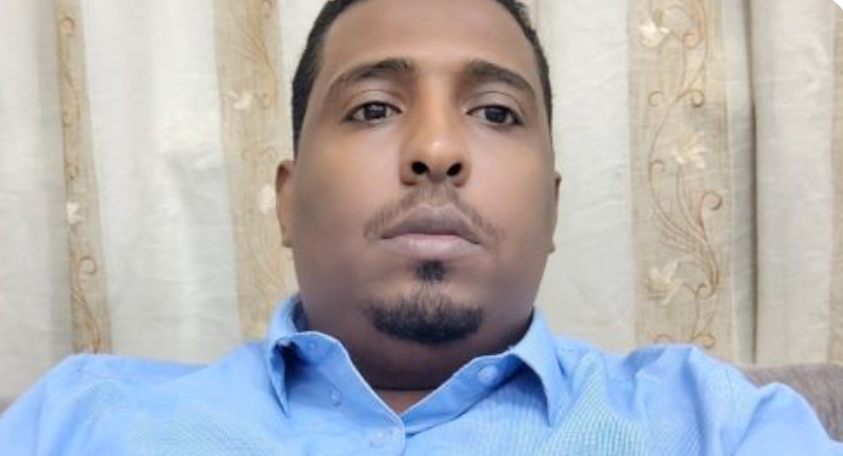
Sudanese army chief Abdel Fattah al-Burhan’s letter to US President Donald Trump appears aimed at easing mounting American pressure and buying time amid Sudan’s deepening political, economic and military crisis, political analyst Awab Azzam al-Bushi told Radio Tamazuj.
Burhan, who heads Sudan’s Transitional Sovereignty Council and commands the army, said on Thursday that he had sent Trump a letter affirming his government’s readiness to work with relevant parties to achieve a just and lasting peace that preserves Sudan’s sovereignty, unity, territorial integrity and the dignity of its people.
The message comes amid US-led efforts to secure a humanitarian truce in Sudan, strained relations over Washington’s ceasefire proposals and US sanctions linked to the alleged use of chemical weapons. US senior adviser Massad Boulos also met Burhan in Egypt earlier this month as diplomatic efforts to end the war intensified.
Al-Bushi said the letter should be understood in the context of these pressures, arguing that Sudan’s military leadership is seeking to ease tensions with Washington and reopen channels of communication with the US administration.
“In my assessment, Burhan’s letter reflects the mounting political, diplomatic and economic pressure on Sudan’s leadership,” al-Bushi said, citing the country’s economic crisis and growing political and military challenges.
Al-Bushi linked the timing of the letter to a proposed US-Sudan economic and investment partnership bill introduced in the US House of Representatives on October 13. The proposal links cooperation in agriculture and mining to tangible progress in protecting civilians and achieving political stability in Sudan.
Burhan’s message is a significant political signal, al-Bushi said, suggesting an attempt to contain US pressure and gain more time amid mounting domestic and international challenges.
“The timing is an important political indicator,” he said. “It suggests an attempt to contain American pressure and gain more time.”
Peace rhetoric and military strategy
Al-Bushi questioned whether Burhan’s message signals a genuine shift towards ending the war, pointing to what he described as a gap between the army leadership’s diplomatic statements and its domestic rhetoric and military conduct.
“There is a contradiction between Burhan’s external rhetoric about peace and his domestic discourse and actions, which remain focused on military victory and the continuation of fighting,” al-Bushi said.
“Peace requires practical decisions and a genuine willingness to make political concessions,” he added.
The analyst said the credibility of Burhan’s message would depend on whether it was followed by concrete steps to end hostilities and pursue a sustainable political settlement.
Actions will test commitment
Al-Bushi said the key test of Burhan’s commitment to peace would be his willingness to engage constructively with diplomatic initiatives and take practical steps towards a humanitarian truce.
“The real test of Burhan’s seriousness is the extent to which he is prepared to engage positively with these initiatives, rather than simply declare his support for peace,” he said.
“What we are witnessing may be an attempt at political manoeuvring and to buy time under mounting internal and external pressure,” al-Bushi added.
Sudan’s war erupted in April 2023 between the Sudanese army, led by Burhan, and the paramilitary Rapid Support Forces (RSF), commanded by Mohamed Hamdan Dagalo, following a power struggle over the military’s future and plans to transition to civilian rule. The conflict has triggered a major humanitarian crisis, displaced millions and derailed Sudan’s transition to civilian government.

 and then