



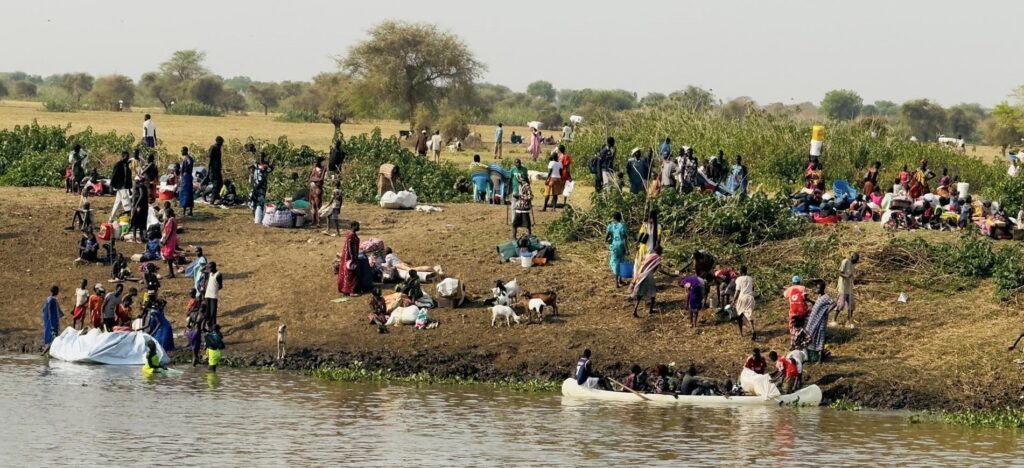
Médecins Sans Frontières/Doctors Without Borders (MSF) evacuated its staff from Akobo in Jonglei state on March 7 after a government order forced civilians and humanitarian organizations to leave the area.The evacuation has left hundreds of thousands of people without access to essential healthcare, as violence escalates in the opposition-controlled areas.
The army issued the evacuation order on March 6, giving residents UN peacekeepers and aid groups 72 hours to leave Akobo County ahead of a planned military offensive. Akobo is home to over 17,000 people displaced in recent weeks, part of the broader conflict that has forced nearly 280,000 South Sudanese from their homes, including some 80,000 in Akobo County.
MSF said in a statement to Radio Tamazuj that the evacuation halted critical health programs, including malaria preparedness, vaccination campaigns, and basic medical care for local and displaced communities.
“The consequences for people are devastating,” said Christophe Garnier, MSF head of mission in South Sudan. “Families are being forced to abandon their homes repeatedly, with no safe alternatives. For many who have already been displaced multiple times, there is simply nowhere left to go.”
MSF’s Akobo hospital, where the organization supports the pediatric ward, was looted, along with the pharmacy containing medicines and medical supplies. MSF’s local office was also ransacked over the weekend. Some residents have already begun fleeing to Ethiopia or nearby villages such as Meer.
Since March 2025, attacks on MSF staff and supported hospitals have forced the closure of three hospitals. In the first two months of 2026 alone, three attacks on health facilities have been recorded, highlighting a disturbing trend in South Sudan.
Akobo, an isolated town with limited healthcare infrastructure, relies on MSF for care for an estimated 112,000 people. The organization had only regained access to the area three weeks ago after government restrictions blocked flights and medical supplies, allowing teams to assess displaced communities and launch a life-saving malaria response.
“These repeated government-imposed evacuations leave people trapped, exposed to violence, and cut off from humanitarian aid,” Garnier said. “We are deeply concerned that Akobo hospital could be hit, depriving communities of the medical care they need to survive.”
Newly displaced residents are living in makeshift shelters without safe drinking water, adequate food, or proper protection. Cut off from essential care, they face disease, hunger, and the constant threat of violence.
MSF urged all parties in the conflict to protect civilians, allow safe access to humanitarian aid, and ensure health facilities can continue operating.

 and then