



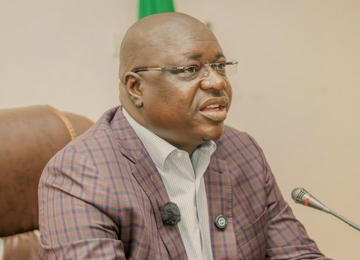
Central Equatoria State Governor Emmanuel Adil Anthony on Thursday said the state will crackdown on unlicensed artisanal miners and armed groups operating outside the peace process, and called for stability ahead of South Sudan’s planned December elections.
He made the remarks after a 12-day tour of the state, during which he visited several counties and met with communities to assess security and development needs.
“Let them come to the state to comply with these regulations we have set henceforth,” Adil said, referring to miners operating without licenses.
He directed artisanal miners in and around areas visited during the tour to register with the state mining authorities and obtain the required licences, warning that authorities would soon take action against those operating illegally.
The governor said communities had raised concerns over illegal mining in parts of the state, including areas around Kaltan, Kare, Kole, and Ganji.
The state government has developed mining regulations to govern artisanal mining, he said, adding that authorities wanted to prevent abuses associated with unregulated operations.
Adil also renewed his appeal to armed groups to abandon violence and join the peace process, saying insecurity was preventing communities from accessing basic services and delaying development.
“Peace is a foundation of everything we seek to build,” he said.
The governor specifically appealed to General Kenyi Lathi, also known as Kenyi Lobron, whom he described as a son of the area and a member of an armed group fighting the government, to lay down his arms and return to the peace process.
“The door to peace remains open,” Adil said, referring to the national government’s amnesty for armed groups.
He also accused members of the SPLM-IO of looting and harassing civilians in parts of Morobo County and called on them to respect the peace process.
During his tour, Governor Adil said residents had identified healthcare, education, roads, water, security, and the return of displaced people as their main concerns.
He said the state government planned to rehabilitate health facilities, support schools and improve roads, including sections of the Juba-Lainya-Yei-Kaya road.
The governor said the national government had directed that the major road linking Juba with other parts of Central Equatoria be constructed through an oil-for-roads, mineral-for-roads, or other arrangement. He stated that the state government will, in the meantime, continue mobilizing resources to improve access along sections of the road.
Adil also announced the upgrading of several health and education facilities, including Yei Civil Hospital and Rakeka Health Centre, as well as plans to elevate Yei Day Senior Secondary School to boarding status.
In Morobo, he said the state would support the rehabilitation of the county hospital, which he said had been looted and had lost essential medical equipment, while an ambulance had previously been burned.
“Generally, we will be measured by delivery, and we accept that measure as a state government,” he said.
Adil’s tour also included a visit to the South Sudan-Uganda border, where he said local authorities had agreed with their Ugandan counterparts on measures to ease tensions, combat smuggling and maintain peaceful cross-border relations.
He urged South Sudanese refugees in neighbouring countries to return home and participate in the country’s development and December elections.
“The people’s call has been very clear in this journey, and that is peace,” Adil said. “Once there is peace, development follows peace.”

 and then