



An economics analyst has said the poor state of the Nimule-Juba Highway, which is a vital trade route to Uganda and the rest of the East African region, might be costing South Sudan up to 220 billion South Sudanese Pounds in potential monthly revenue.
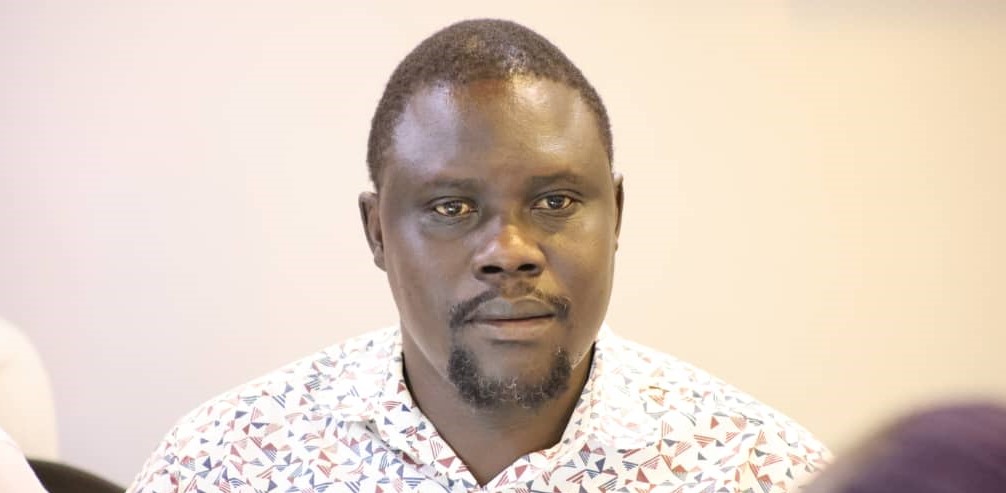
Boboya James Edimond, Chief Executive Officer of the Institute of Social Policy Research, on Monday said the poor state of the 192-km road was disrupting the movement of goods and services and significantly increasing the cost of doing business in the country.
“The government currently receives SSP 60 billion from this road in the amount of taxes,” he said. “If this road is tarmac, the government could be getting between SSP 200 and 260 billion a month.”
He said the difference represented a significant potential source of revenue that could help the government address its liquidity challenges, pay civil servants and soldiers, run government operations and finance infrastructure development.
Boboya described the Nimule-Juba Road as a major economic lifeline for landlocked South Sudan, saying it carries roughly 90 percent of imported goods and essential supplies entering the country through Uganda and Kenya from international markets.
He said it now takes up to eight hours to travel between Juba and Nimule, yet previously it took about two and a half to three hours.
According to Boboya, vehicles frequently get stuck or overturn, resulting in damage to goods destined for markets and businesses across South Sudan.
“This has created an enormous economic impact on the businesses that bring goods and services to South Sudan,” Boboya said, adding that the delays were contributing to the country’s wider economic difficulties.
The analyst urged President Salva Kiir Mayardit to prioritize the rehabilitation of the Nimule-Juba road, arguing that this will help reduce transport costs, facilitate trade and support economic activity.
He also warned that the infrastructure problem extends beyond the Nimule-Juba Highway, citing deteriorating roads linking Juba with Yei, Kaya, Yambio, Maridi and Mundri.
Boboya called for greater attention to infrastructure development as part of South Sudan’s economic cooperation with Uganda and other East African countries.
“Without infrastructure development, we are doomed not to progress the way we want,” he stated, adding that improving major transport corridors will not only increase government revenue but could also make South Sudan more attractive to investors and help stimulate private-sector activity.
Boboya’s comments come amid continuing economic difficulties in South Sudan, where businesses and households face challenges linked to liquidity shortages, high transport costs and limited infrastructure.

 and then