



Sudan has lifted a ban on tea imports from Kenya, reopening an important market for Kenyan exporters after a 20-month restriction that disrupted trade between the two countries.
The decision was formalised through Ministerial Order No. 25 of 2026, issued by Sudan’s Ministry of Industry and Trade on November 8 and signed by Minister Mahasin Ali Yaqoub. The order, titled Lifting of the Ban on Tea Imports from Kenya, revokes the restriction and directs relevant authorities to implement the decision with immediate effect.
Kenyan President William Ruto welcomed the decision in a post on X on Wednesday, November 11, saying it followed his meeting with Sudanese Prime Minister Kamil Idris on the sidelines of the Common Market for Eastern and Southern Africa (COMESA) Heads of State and Government Summit in Harare, Zimbabwe.
“Following my engagement with Sudan’s Prime Minister, Professor Kamil Idris, on the sidelines of the COMESA Heads of State and Government Summit in Harare, Zimbabwe, I am pleased that Sudan has lifted its ban on Kenyan tea imports, ending a restriction that had been in place for 20 months,” Ruto said.
He said the decision would reopen an important market for Kenyan tea, restore opportunities for exporters and support the livelihoods of farmers and their families.
“This progress demonstrates what dialogue and constructive diplomacy can achieve,” Ruto said, adding that Kenya looked forward to strengthening bilateral relations, expanding trade and working with Sudan for peace, stability and shared prosperity in the region.
The lifting of the ban followed approval by Sudan’s Sovereignty Council through a letter dated November 2, 2026, and a subsequent Cabinet communication dated November 5, 2026.
The ban, imposed in March 2025, followed a deterioration in diplomatic relations between Sudan and Kenya.
A senior Kenyan government official described the diplomatic mission that preceded the decision as “economic-intelligence-led diplomacy”, highlighting efforts to use diplomatic engagement to address barriers affecting trade between the two countries.
Sudan has historically imported about 35 million kilogrammes of Kenyan tea annually, valued at approximately $70 million.
The ban dealt a blow to Kenyan exporters, with tea worth more than $24 million (3.1 billion shillings) already in transit or awaiting shipment when Sudan halted imports.
The disruption also left 207 40-foot containers stranded at the Port of Mombasa, compounding losses for traders and exporters.
The reopening of the Sudanese market is a significant development for Kenya’s tea industry, which depends heavily on international markets to sustain production, support farmers and generate foreign exchange.
The removal of the trade restriction provides Kenyan tea exporters with an opportunity to restore commercial links with Sudan and pursue renewed business opportunities.
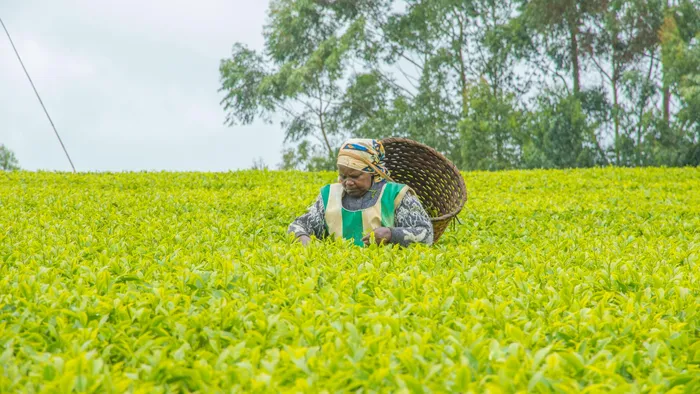
For tea-growing communities, particularly smallholder farmers, a resumption of exports could strengthen demand, improve market prospects and support earnings, depending on the volume of trade that returns.
However, the ministerial order does not specify the volume of tea Sudan expects to import, the value of trade anticipated or when shipments will resume.

 and then