



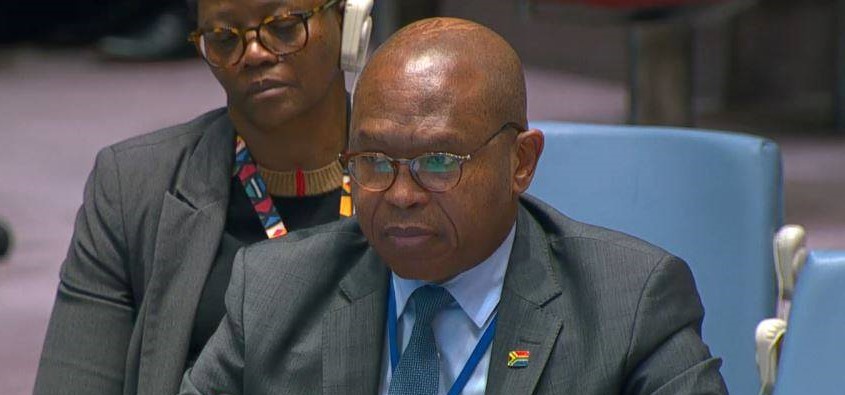
South Sudan is inadequately prepared for elections scheduled for December 22, South Africa told the UN Security Council on Tuesday, citing an African Union assessment that identified shortages of resources and technical expertise.
Addressing the Council in New York, South Africa’s Permanent Representative, Mxolisi Sizo Nkosi, said significant gaps remained in the preparations, raising concerns about the country’s readiness to conduct the polls.
He also expressed concern over worsening humanitarian conditions, restricted aid access and increasing pressure from refugees fleeing neighbouring Sudan.
While reaffirming South Sudan’s sovereign right to determine its electoral process, Nkosi stressed the need to meet legal, financial and operational requirements and ensure broader participation by political parties, women and young people.
South Africa has offered technical assistance and electoral equipment, he said, adding that South Sudanese electoral officials had been invited to observe South Africa’s November 4 local government elections.
South Sudan defended its decision to proceed with the polls, saying the country cannot remain indefinitely under transitional arrangements.
“Elections are not an obstacle to peace,” Deputy Permanent Representative Sabino Edward Nyawella Amaikwey told the Council, describing them as essential to consolidating stability and allowing citizens to choose their leaders.
He criticised what he called disproportionate attention to political actors accused of obstructing implementation of the 2018 peace agreement, warning against further delays to the electoral process.
Rejecting what he described as unverified allegations and politically charged reporting, Nyawella urged the UN Mission in South Sudan (UNMISS) and human rights mechanisms to strengthen consultations with national authorities.
He reaffirmed the government’s commitment to facilitating UNMISS operations, saying obstruction of the mission “has never been, and is not, a policy” of South Sudan.
Denmark warned that holding elections without political consensus, adequate preparations and meaningful participation could deepen divisions and trigger renewed violence.
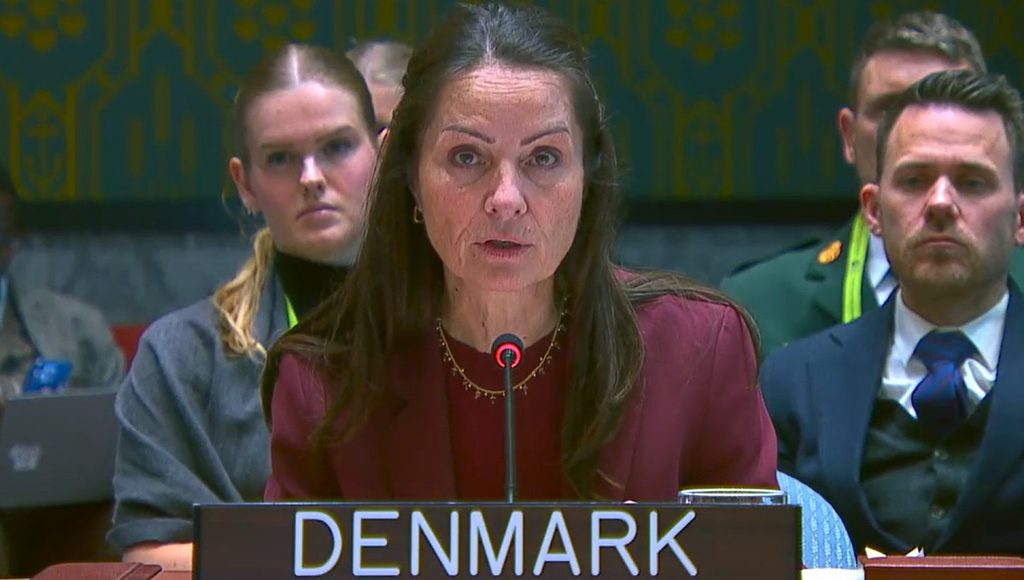
Ambassador Christina Markus Lassen urged President Salva Kiir and all parties to recommit to the Revitalized Peace Agreement, uphold the ceasefire and pursue inclusive dialogue.
She condemned continued fighting and attacks on humanitarian workers, saying at least 39 aid workers had been killed this year. She also raised concern over displacement and worsening food insecurity.
Lassen reaffirmed Denmark’s support for UNMISS, condemned restrictions on its operations and called for accountability for attacks on peacekeepers.
South Sudan’s leaders must choose “peace over political self-interest”, she said.
Russia cautioned against premature judgments about the country’s readiness for the December elections, urging Security Council members to respect Juba’s authority over the electoral process.
Anna M. Evstigneeva, Russia’s Deputy Permanent Representative to the UN, backed African Union mediation efforts and UNMISS, stressing the importance of a strong central government and unified national armed forces.
She also called for easing or lifting the arms embargo, arguing that it remained a major obstacle to strengthening South Sudan’s security institutions.

 and then