



A faction of the opposition Sudan People’s Liberation Movement-in-Opposition (SPLM-IO) aligned with suspended First Vice President Riek Machar said on Wednesday it rejected what it described as unilateral removals, replacements and a suspension of its officials at national and state levels, calling the moves violations of the 2018 peace deal.
In a press statement dated March 18, the party’s Political Bureau said it met in Juba to discuss “a number of issues,” including the removal and replacement of its officials in national and state governments, as well as the suspension of a minister in Jonglei State.
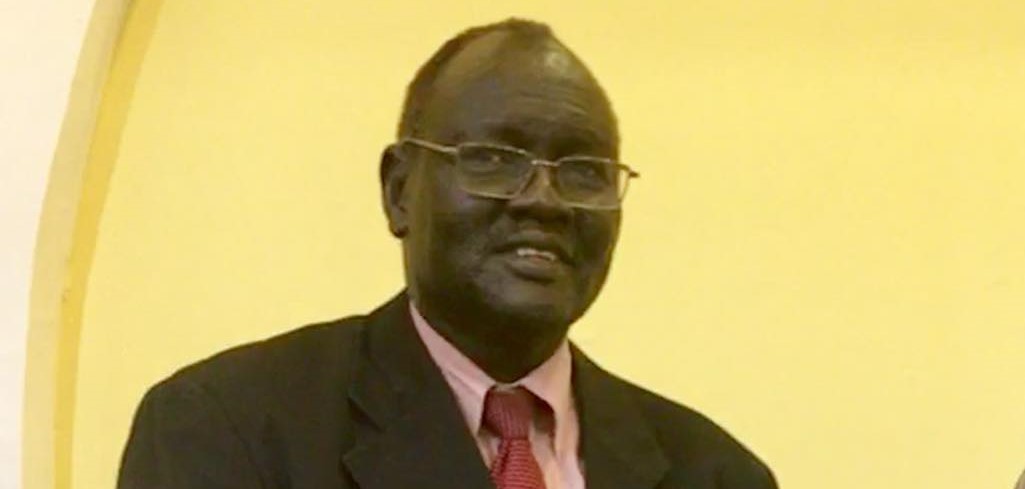
At the national level, the opposition party, a key signatory to the fragile peace agreement, said Moses Gatkuoth Lony, presidential adviser on peace, had been unilaterally removed and replaced.
At the state level, the party listed three officials it said had been removed and replaced: Tor Tungwar Kueiguong, deputy governor of Unity State; Isaiah Akol Mathiang, deputy governor of Lakes State; and Mary Alphonse Lodira, deputy governor of Eastern Equatoria State.
In Jonglei State, the party said Simon Hoth Duol, minister of local government and law enforcement, had been suspended.
After what it described as thorough deliberations, the Political Bureau said it “strongly condemns and rejects” the removal and replacement of Lony as presidential adviser on peace.
It also condemned and rejected the removal and replacement of Kueiguong, Mathiang and Lodira as deputy governors in Unity, Lakes and Eastern Equatoria states respectively.
The party further rejected the suspension of Duol, saying it viewed the move as a step toward his eventual removal and replacement.
The SPLM-IO said such actions constituted “continuous violations” by the government, referring to the Transitional Government of National Unity and the ruling Sudan People’s Liberation Movement, which it accused of undermining the Revitalized Agreement on the Resolution of the Conflict in South Sudan.
“These are anti-peace activities meant to deliberately and gradually render the R-ARCSS useless,” the statement said.
The statement was signed by Joseph Malwal Dong, focal person of the Political Bureau and chairperson of the National Committee on Foreign Affairs and International Relations.
The main peace partner, the ruling SPLM party, could not immediately be reached for comment. President Salva Kiir also doubles as the SPLM party leader.
South Sudan’s transitional unity government was formed under the 2018 peace agreement, which ended a five-year civil war between forces loyal to Kiir and Machar.
The deal established a power-sharing arrangement between the Sudan People’s Liberation Movement and the Sudan People’s Liberation Movement-in-Opposition, including the allocation of key government positions at national and state levels.
Analysts say disputes over appointments and dismissals of officials have been a recurring source of tension between the parties, with both sides at times accusing each other of violating the agreement.
Implementation of the peace deal has faced repeated delays, including missed deadlines for security arrangements, elections and the drafting of a permanent constitution.
Ongoing clashes between the Sudan People’s Liberation Army-in-Opposition and government forces, the South Sudan People’s Defence Forces (SSPDF), have weakened the agreement, and analysts warn that escalating violence risks returning the country to civil war.

 and then