



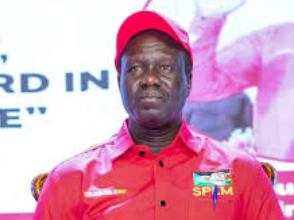
In our societal fabric, the act of issuing an apology is often regarded as a vital means of acknowledging mistakes, expressing remorse, and fostering reconciliation. It embodies humility, responsibility, and a willingness to amend past wrongs. However, in the context of political leadership, especially amid turbulent times, apologies are sometimes misunderstood, misinterpreted, or politicized, leading to unnecessary controversy and confusion. One such case is the recent apology issued by SPLM Secretary General Dr. Akol Paul Kordit, a prominent South Sudanese politician, which has elicited varying reactions within the country’s political and social spheres.
Understanding the context of Dr. Akol’s apology
Dr. Akol Paul Kordit’s apology emerged amid the ongoing conflict and humanitarian crisis afflicting South Sudan—a nation grappling with displacement, loss, and deep-rooted divisions. Many citizens, particularly those displaced from their homes, view this apology through the lens of collective suffering, hoping it signifies accountability and a step toward healing. The apology, ostensibly made on behalf of the Sudan People’s Liberation Movement (SPLM) party, appeared to be an acknowledgment of the political and social responsibility of the leadership in navigating the nation’s path forward, especially with the upcoming December 2026 elections.
In essence, Dr. Akol’s apology is not merely a personal gesture but a political act aimed at demonstrating accountability and fostering unity. It symbolizes an attempt to bridge gaps, acknowledge past mistakes, and reassure the populace that efforts are being made to rectify injustices and foster peace. Many observers view it as a demonstration of responsible leadership in challenging times.
Common reactions and misinterpretations
Despite the noble intentions behind Dr. Akol’s apology, it has faced criticism and skepticism from various quarters. Some citizens, media outlets, and political opponents have questioned its sincerity, citing fears of political opportunism, or perceive it as a mere gesture to appease the public ahead of elections. Others argue that such apologies are superficial and lack genuine commitment to substantive change. These criticisms, however, often overlook the deeper significance and purpose that apologies serve in political discourse.
It is essential to understand that apologies, especially within a political context, are complex acts that can be misinterpreted or politicized. Frequently, criticisms arise not from the content of the apology itself but from prejudices, political motives, or misjudgments about the individual’s intentions. In Dr. Akol’s case, many of his supporters and informed observers have argued that the apology is a sincere demonstration of responsibility rather than a calculated move for political gain.
The significance of responsibility and accountability
From a broader perspective, issuing an apology in times of crisis is a sign of accountability. Leaders who openly acknowledge their shortcomings or failings demonstrate maturity and a commitment to transparency. Establishing responsibility fosters trust among the citizenry, especially those who have suffered directly from conflicts and misgovernance.
Dr. Akol’s apology aligns with these principles. It reflects an awareness of the suffering experienced by millions and an acknowledgment of the collective responsibility borne by those in leadership positions. Such acts of responsibility are often essential stepping stones toward national reconciliation. They signal that leaders are willing to confront past mistakes and work collaboratively toward a better future.
The cultural and political dynamics at play
Understanding the cultural context is crucial when analyzing reactions to political apologies in South Sudan. Our society often emphasizes criticism and skepticism, particularly toward political figures. While constructive criticism has its place, excessive negativity can undermine efforts for societal progress. It is important to recognize that not all apologies are insincere or superficial; some are genuine attempts at reconciliation and responsibility.
Furthermore, the politicization of apologies can hinder genuine dialogue. Opponents may use such gestures to score political points or diminish the credibility of leaders, which can adversely affect national unity. Therefore, the public and political actors need to discern between superficial gestures and sincere acts of accountability.
Conclusion: The value of apology in national healing
In conclusion, the apology issued by Dr. Akol Paul Kordit should be appreciated within its appropriate context. It signifies responsibility, humility, and a commitment to addressing past wrongs, especially in a nation scarred by conflict and displacement. While criticism and skepticism are part of political discourse, it is equally important to recognize the substantial role that sincere apologies can play in fostering reconciliation, building trust, and steering a nation toward peace.
Authentic leadership involves acknowledging mistakes and working collectively to rectify them. Dr. Akol’s apology, therefore, is not a mere formality but an essential step toward healing and unity for South Sudan. It exemplifies the kind of political maturity necessary to guide a nation through its challenging times. Citizens and leaders alike should interpret such gestures not as signs of weakness but as demonstrations of strength and responsibility.
The writer is the leader of the People Action Party (PAP) and can be reached via dengdengt@yahoo.com.
The views expressed in ‘opinion’ articles published by Radio Tamazuj are solely those of the writer. The veracity of any claims made is the responsibility of the author, not Radio Tamazuj.

 and then