



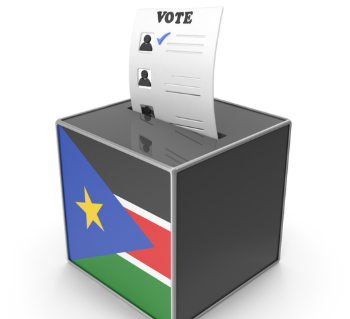
After years of hardship and resilience, South Sudan has an opportunity to turn hope into action. The general election slated for 22 December 2026 can mark the beginning of a more peaceful, prosperous, and democratic future. More than a political contest, it is a chance for citizens to strengthen peace, advance development, and build a nation that serves all its people.
As SPLM supporters in the United States, including members of the South Sudanese community in the Northeast region, we believe this election must belong first and foremost to the people. It should serve families, elders, youth, faith communities, women, men, and children who have endured years of instability and who deserve security, dignity, opportunity, and a government focused on improving their daily lives.
For South Sudanese families, democracy cannot be merely an abstract ideal. It must mean the freedom to participate in public life, vote without fear, and choose leaders who are committed to protecting communities and delivering essential services. After decades of conflict, displacement, marginalization, and economic hardship, this election offers a peaceful path toward renewing the nation’s democratic foundation and restoring public trust in government.
Ordinary citizens have borne the greatest burden of South Sudan’s challenges. Parents have lost homes, children have been denied educational opportunities, elders have struggled to access health care, and entire communities have lived without the security necessary to thrive. While a credible election alone cannot solve every problem, it can provide a foundation for accountable leadership, equal citizenship, respect for the rule of law, and national unity.
The question before South Sudan is straightforward: will national resources be invested in improving people’s lives, or will they continue to be consumed by conflict and division? Communities need health care, schools, roads, clean water, security, and functioning public institutions. These are not luxuries; they are the basic responsibilities of government and essential building blocks of a stable society.
Women deserve safe communities where they can work, raise families, and participate fully in public life. Men need opportunities to support their households and contribute to economic growth. Children need education, nutrition, protection, and hope for the future. Elders deserve dignity, quality health care, and peace in their later years. A nation cannot claim lasting stability while its families continue to live in fear and uncertainty.
Peace is built through everyday life. It begins when a mother can safely seek medical care, when a child can attend school without fear, when a farmer can cultivate land in security, and when families can rest peacefully at night. These are the simple but powerful realities that South Sudanese citizens deserve.
The urgency of this moment is reflected in the country’s health and nutrition statistics. UNICEF’s 2025 Multiple Indicator Cluster Survey reported that only 51 percent of births were attended by skilled health personnel, while only 44 percent occurred in health facilities. The survey also found that 19 percent of children under five were stunted, 17 percent were wasted, and 20 percent were underweight. Behind these figures are mothers, newborns, and families still waiting for adequate care and protection.
Humanitarian conditions remain equally concerning. UNICEF’s October 2025 situation report estimated that 9.3 million people required humanitarian assistance, including 5 million children, and that approximately 650,000 children were at risk of severe acute malnutrition. The same report noted that a prolonged cholera outbreak had reached 96,003 cases and claimed 1,589 lives across 55 counties by October 31, 2025.
According to OCHA’s October 2025 humanitarian snapshot, more than one million people were affected by flooding, 355,000 were displaced by floods, and 322,000 were displaced by conflict since January 2025. These realities underscore a critical truth: South Sudan cannot afford another cycle of political violence. The country urgently needs peace, clean water, nutrition, health care, effective emergency response systems, and leadership that places human life at the center of national priorities.
Education presents another important challenge. UNICEF’s 2025 survey found that only 42 percent of children attended primary school, only 6 percent attended secondary school, and only 15 percent completed primary education. Learning outcomes remain troubling, with only 9 percent of children in grades two and three able to read most words in a simple story and only 11 percent demonstrating basic numeracy skills. World Bank data reported approximately 1.8 million primary school pupils in 2024, highlighting both the scale of need and the potential for investment in education to transform the country’s future.
For the 2026 election to strengthen the nation, it must be credible in both principle and practice. Citizens need security, civic education, voter registration, independent institutions, freedom of movement, and confidence that they can participate without intimidation. Addressing funding gaps, insecurity, displacement, voter registration challenges, and constitutional concerns openly and honestly will be essential to ensuring that the election advances peace rather than deepening division.
Political leaders, parties, civil society organizations, religious institutions, women’s groups, youth movements, chiefs, elders, and diaspora communities all have a role to play in supporting peaceful participation. Citizens should be encouraged to vote based on policies, leadership, and service delivery rather than fear, tribal division, revenge, or misinformation. South Sudan needs leaders who prioritize roads over rifles, classrooms over conflict, hospitals over hatred, and unity over division.
The South Sudanese diaspora also has a unique responsibility. Those living in the United States and around the world remain part of one national family. They can contribute by promoting peace, sharing accurate information, encouraging civic responsibility, supporting educational opportunities, and advocating for development in communities across South Sudan. Beyond remittances and humanitarian assistance, the diaspora can help strengthen dialogue, encourage accountability, and build bridges between communities.
Supporting the electoral process must also mean supporting transparency, inclusiveness, and respect for every citizen’s right to participate. SPLM supporters and other community leaders in the diaspora can help foster constructive conversations, reject hate speech, and remind political leaders that public office is a responsibility to serve the people, not a privilege to divide them.
South Sudan has suffered for too long from war, marginalization, and political instability. The December 22, 2026, general election offers an opportunity to advance democracy, strengthen security, improve health care and education, expand infrastructure, and promote national healing. It is a chance to build a stronger nation where every citizen can live with dignity and hope.
Let South Sudan choose peace over war, development over destruction, and democracy over fear. Let families, elders, youth, women, faith leaders, community organizations, and the diaspora work together to make this election the foundation of a stronger, safer, and more prosperous nation for generations to come.
The writer is a member of the Sudan People’s Liberation Movement (SPLM) Party domiciled in Omaha, Nebraska, USA. He can be reached via manyielpaulino@gmail.com.
The views expressed in ‘opinion’ articles published by Radio Tamazuj are solely those of the writer. The veracity of any claims made is the responsibility of the author, not Radio Tamazuj.

 and then