



South Sudan stands as one of the most resource-endowed nations on the African continent. The sheer scale of its natural wealth is such that, with sound stewardship, it could propel the country toward modernity and shared prosperity far sooner than many might imagine.
Beneath its soil lie some of sub-Saharan Africa’s most significant petroleum reserves, and oil alone generates more than nine-tenths of state income while supplying virtually all foreign exchange earnings. But petroleum tells only part of the story. Gold and rare earth elements await extraction. The White Nile nourishes lands of which 95 percent can be cultivated, giving agriculture the potential to serve as an economic engine. Add to this extensive hardwood timberlands, abundant fisheries, and a young population hungry for opportunity.
If managed carefully, these assets could finance a swift expansion of public infrastructure, broaden the economic base, draw international capital, and rescue millions from hardship. The raw materials exist in abundance. What has been in short supply is the resolve and collective will to use them. A country blessed with enormous wealth yet held back by divided citizens, ranking among the lowest in global human development.
The era of finger-pointing and fragmentation must end. South Sudan’s leadership must now unite in both word and deed to chart a new course for the nation. This demands a new social compact rooted in openness, responsibility, and inclusive governance. It requires a well-defined, time-sensitive development blueprint that every stakeholder, regardless of political ties or ethnic background, can adopt and execute.
Such a blueprint could prioritize achievable early gains. Even a modest share of oil income, if directed properly, could construct a modern expressway connecting Juba to key urban centers, cutting transportation expenses and connecting markets. Harnessing solar and hydropower could bring electricity to rural communities within ten years. A national savings fund, inspired by Norway’s model, could set aside a portion of resource income for future generations while cushioning the economy from volatile oil prices. Farmer cooperatives, bolstered by irrigation systems and accessible credit, could position South Sudan as a regional food supplier within five to ten years.
These goals are far from fantasy. Nations with far less natural bounty have transformed themselves through unity and foresight. Rwanda, lacking oil and bearing a painful history, has emerged as a beacon of competence and economic progress. Botswana converted its diamond wealth into investments in schooling, healthcare, and infrastructure, becoming one of Africa’s standout achievers. South Sudan possesses even greater potential to follow suit.
The barriers are political, not physical. South Sudan’s leaders must look past the next power-sharing arrangement. The country needs collective leadership that regards national wealth as a sacred responsibility owed to every citizen. It needs a legislature that exercises genuine oversight, courts that combat corruption, and an engaged civil society and media that demand accountability from those in power.
International partners can assist, but they cannot replace domestic leadership. Donors and investors will return once they witness stability, respect for law, and authentic dedication to reform. The people of South Sudan, particularly the youth, must also insist on better. Their collective voice can require leaders to prioritize national interests over personal gain.
South Sudan is not impoverished. Its riches lie beneath the ground, flow through its rivers, grow in its forests, and reside in the spirit of its people. What remains is for its political class to come together, set aside their differences, and reimagine how to steer the nation toward modernity. Should they succeed, South Sudan could emerge as a symbol of hope and abundance in Africa within a single generation. The decision rests with politicians. The moment is now.
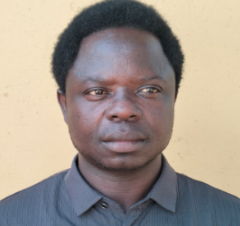
The writer is a South Sudanese journalist and a student at the University of Juba, pursuing a Master’s Degree in International Relations. He can be reached at khamislokudu@gmail.com.
The views expressed in ‘opinion’ articles published by Radio Tamazuj are solely those of the writer. The veracity of any claims made is the responsibility of the author, not Radio Tamazuj.

 and then