



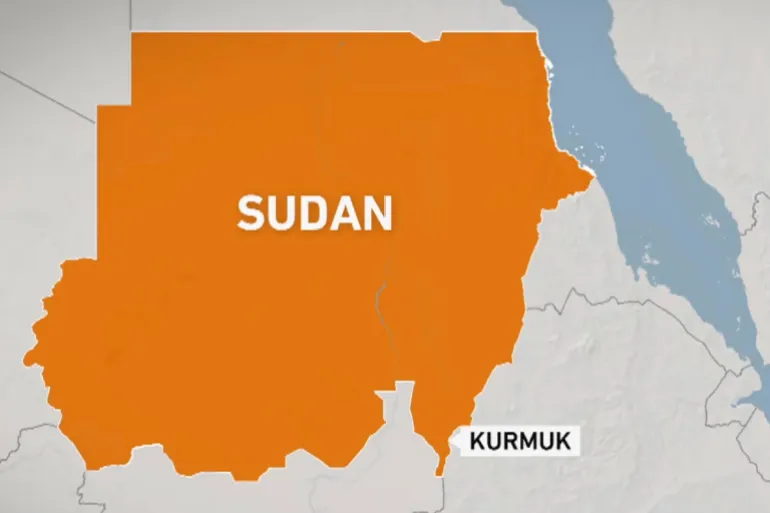
Hundreds of families who fled fighting in the strategic Kurmuk border town in Sudan’s Blue Nile State continue to face difficult conditions marked by shortages of food and water, inadequate shelter, and limited access to healthcare services.
At Al-Karama 3 Camp in the Kurmuk area, a member of the camp committee who preferred anonymity said displaced people are facing multiple challenges, most notably a severe shortage of water.
Residents are forced to go to the Blue Nile River to fetch water at a time when the river level has risen due to rains, increasing risks, particularly for elderly people and pregnant women.
He added that the suspension of humanitarian funding has affected more than half of the camp’s residents, noting that support from the Islamic Relief organization had stopped.
“With the rains, there is the possibility of environmental disasters, as there are no adequate toilets or sanitation facilities,” he said. “There is also a complete lack of health and education services.”
The suffering of displaced people is not limited to shortages of water and food. The camp’s women’s affairs official said women are facing extremely difficult conditions, particularly pregnant and breastfeeding women, because of limited healthcare services inside the camp.
“Some pregnant women have died from complications during childbirth due to the lack of adequate healthcare, while others have miscarried because of inadequate services,” she said. “Mothers also face difficulties obtaining treatment and medical care for their children.”
She called on supporting organizations to provide an ambulance to facilitate the transportation of patients to healthcare facilities.
Children are also suffering from illnesses associated with malnutrition and anemia amid difficult living conditions and shortages of food and healthcare services.
Among these difficult circumstances is the story of a displaced woman from Kurmuk who lost her husband in the war and is now solely responsible for caring for seven children.
The displaced woman said she lost her daughter, who was just over one-year-old, after the child fell ill and the family was unable to obtain the necessary healthcare.
As she recounted her daughter’s story and her suffering inside the displacement camp, the woman broke down in tears and struggled to contain her emotions as she recalled the details of losing her child. She then continued speaking about the heavy responsibility she now faces in caring for her seven children alone.
These stories reflect part of the suffering of displaced people from Kurmuk town, who remain in need of food, clean water, adequate shelter and healthcare services, particularly for women and children.
With the rainy season continuing and the Nile’s water level rising, displaced people say providing water and basic services inside the camp has become an urgent necessity to reduce the risks facing the most vulnerable groups, particularly the elderly, pregnant women, and children.

 and then