



The European Union has launched a €4 million initiative designed to strengthen the capacity of grassroots organizations and civil society across South Sudan as the country nears pivotal elections scheduled for December this year.
The program, titled the SUCCESS project, aims to provide financial and technical support to more than 140 organizations, including community-based groups, faith-based organizations and formal networks.
At a kick-off ceremony in Juba on Thursday, officials witnessed the signing of Memoranda of Understanding with the first 40 participating entities.
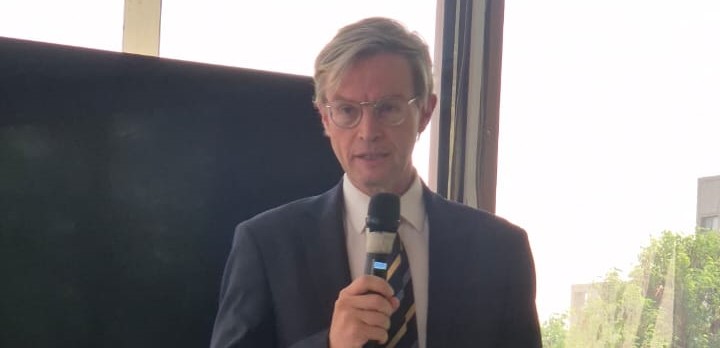
Lothar Jaschke, deputy head of the EU Delegation to South Sudan, characterized the project as a significant step forward in promoting transparency, accountability and innovation within the sector.
He said a strong country requires a strong civil society that is empowered and encouraged to contribute to national development. Jaschke emphasized that such groups are essential for holding authorities to account and representing citizen interests, particularly in the run-up to the next universal periodic review and during judicial reform processes.
The launch comes at what officials described as a critical juncture for South Sudan. Jaschke said everyone benefits if civil society is strong and free.
He called on the government to finalize the bill amending the NGO Act 2016 to align it with the peace agreement and the constitution. He said the legislation should clearly define the sectors in which these organizations operate while ensuring their freedom of expression and operations.
The SUCCESS project intends to provide tailored support based on the size and capacity of local actors to help build a more pluralistic and vibrant civil society.
Beyond financial aid, the European Union affirmed its commitment to continuing its support through dialogue and technical cooperation to promote shared values of peace, democracy and human rights.
Jaschke urged that the initiative translate into tangible improvements for South Sudanese citizens, particularly in social services, salaries and food security.
Civil society organizations in the world’s youngest nation often operate under restrictive conditions while navigating a complex legal and political landscape. International partners have frequently called for an open civic space to ensure these groups can operate freely and without fear of harassment.

 and then