



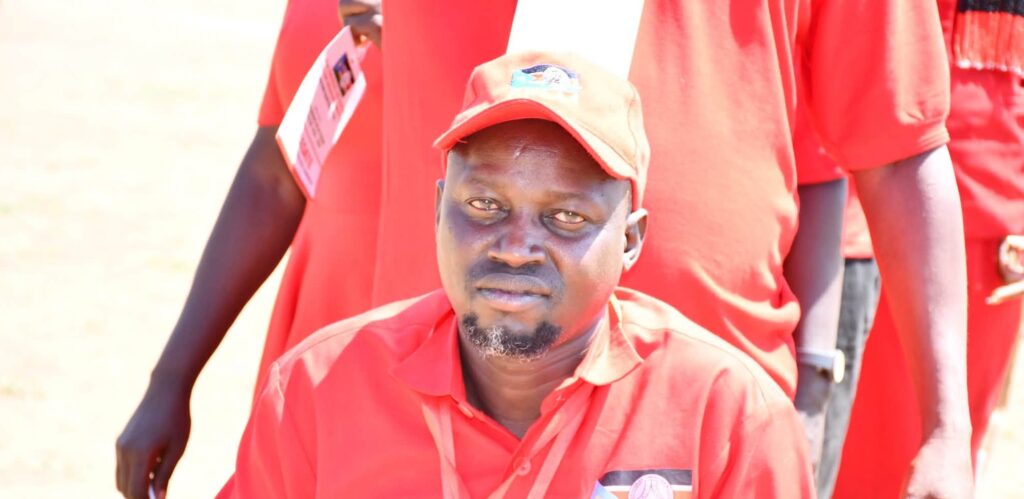
The ruling SPLM in Eastern Equatoria State has elected Emmanuel Epone Lolimo as its new chairperson, amid disagreements over the electoral process and restrictions on media coverage of the congress.
Epone secured 201 votes from 255 delegates at the congress held at Torit Freedom Square, where the party elected and swore in its new state leadership.
Charles Udwar was elected deputy chairperson with 186 votes, while Akileo Mboya Anyanga won the state secretary position with 34 votes.
Journalists from both state-owned and independent media outlets were barred from covering the proceedings, restricting public access to an important internal party election ahead of South Sudan’s scheduled February 11, 2027, general elections.
Ajoo Ony’Ohisa Igele, one of the candidates, congratulated Epone and his team in a Facebook post on Monday, November 16, calling on party members to put aside their differences.
“The campaign is now over, and the party remains one for us all,” Igele wrote.
He urged the new leadership to unite members and pursue the party’s common political objectives.
However, in a subsequent Facebook post on November 17, Igele said he had boycotted the election because of disagreements over the electoral process and had returned to farming.
“After boycotting the elections due to disagreement over the mode of conducting the elections, am back in office, farming,” he wrote.
Unity ahead of elections
Speaking at the closing ceremony, SPLM Secretary-General Paul Akol Kordit urged party members to overcome regional, community and tribal divisions, calling for unity and professionalism within the movement.
He commended the Eastern Equatoria caretaker government for providing an enabling environment for the congress.
SPLM Third Deputy Chairman Simon Kun Puoch called on the newly elected State Liberation Council to take responsibility for the party’s affairs and prepare citizens for the February 11, 2027, general elections.
He also stressed the party’s commitment to inclusivity, including the participation of persons with disabilities.
The congress allocated special representation seats to minority communities, including the Nyangatom and Tennet, as part of efforts to broaden participation in the party’s leadership.

 and then