



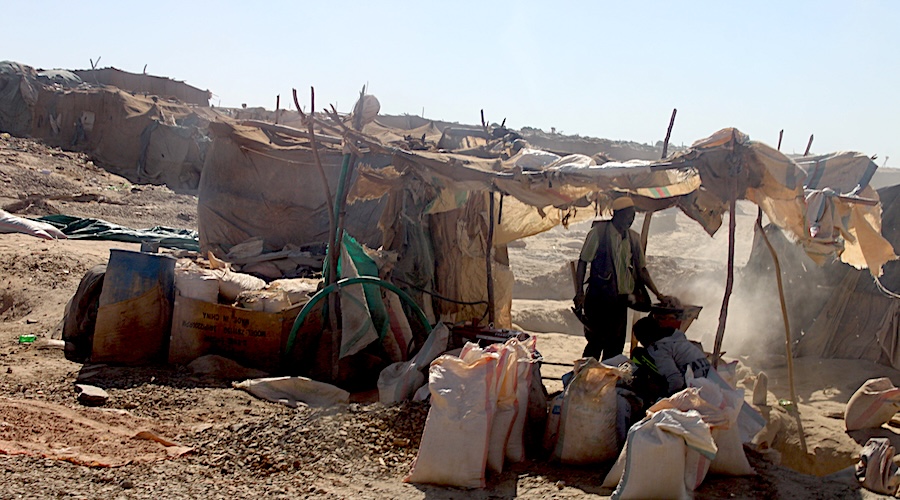
Around 65 sheep reportedly died after drinking water contaminated with cyanide used in artisanal and unregulated gold mining activities in the Sami Bashair area, east of Al-Tabouna in Talodi locality, in Sudan’s South Kordofan State.
Mohamed Ibrahim Al-Khalifa, chairman of the Nuba Mountains Anti-Cyanide Committee, said the incident highlighted the growing environmental and public health risks associated with the use of the highly toxic chemical in mining operations.
A statement issued by the committee, a copy of which was obtained by Radio Tamazuj on Monday, warned that continued contamination posed a serious threat to human health, livestock and water resources.
“The authorities have turned a blind eye to the dangers associated with cyanide use, failing to designate affected areas as environmental hazard zones and neglecting to take meaningful action to address contamination or hold those responsible accountable,” Ibrahim said.
According to the statement, unregulated mining activities have expanded into grazing lands and seasonal livestock pastures, contaminating water sources and threatening vegetation, wildlife and bird populations.
Ibrahim also recalled incidents in the Al-Tagoula area last year that he said had resulted in the deaths of dozens of residents and several cattle following outbreaks of severe diarrhea, which he attributed to cyanide-contaminated water.
He accused the authorities and the relevant Sudanese company of concealing the incidents and denying responsibility for their consequences.
The committee chairman held the government and mining companies legally and morally responsible for environmental and health damage resulting from cyanide use.
He rejected attempts to shift responsibility onto informal miners or attribute the incidents to their failure to comply with company regulations, arguing that the importation, transportation, and distribution of cyanide took place under the supervision or with the knowledge of the authorities.
Ibrahim also criticized the role of some traditional community leaders, accusing them of permitting environmentally harmful mining operations in their areas in exchange for financial benefits, without regard for the consequences for public health, the environment and local livelihoods.
He called on residents of South Kordofan and other parts of Sudan to resist activities that threaten the environment and public health.
“The consequences of unregulated mining extend beyond threats to human and animal health, grazing lands and water resources,” Ibrahim warned. “Such activities could also exacerbate social and ethnic tensions, potentially fueling conflicts and prolonging Sudan’s ongoing war.”

 and then