



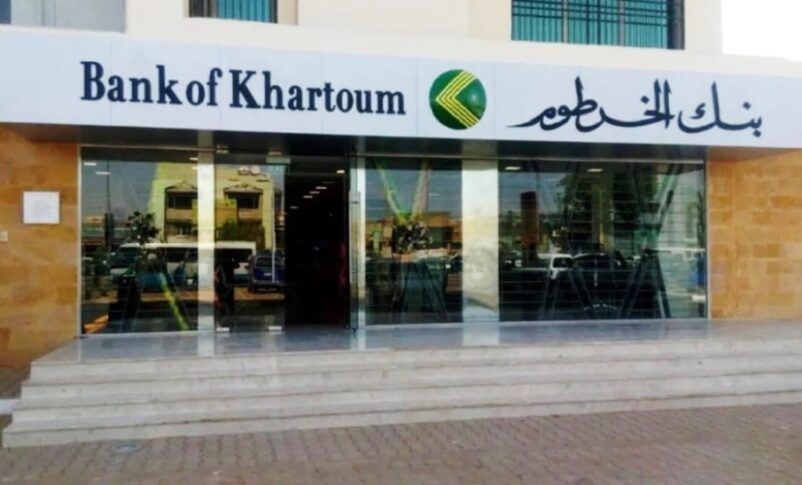
More than 50 traders and other customers in the Dar Hamar area of Sudan’s West Kordofan State have reportedly suffered cyberattacks and unauthorized withdrawals through Bank of Khartoum’s Bankak mobile banking application over the past two days, according to the Dar Hamar Emergency Response Room.
The emergency room on Wednesday announced plans to boycott the bank and for clients to withdraw deposits.
Azzam Hamid, spokesperson for the Dar Hamar Emergency Response Room, told Radio Tamazuj that the alleged security breaches had resulted in financial losses for traders and other customers, with more than 50 affected accounts documented by the time the group issued its statement.
“Residents of West Kordofan State, particularly in the town of Umm Badr in North Kordofan State, have been hit by a cyberattack involving Bank of Khartoum’s mobile banking application,” Hamid said.
He added that the group had received several complaints from traders in the area over the preceding three days concerning money that had disappeared from their bank accounts.
“The reported losses are substantial, ranging between 18 and 45 million Sudanese pounds,” Hamid said. “The affected traders discovered that money had been withdrawn from their accounts without their knowledge when they contacted or visited the bank.”
Walid Ismail, a trader from Umm Badr and one of the affected customers, told this publication that approximately 21 million Sudanese pounds had been withdrawn from his account in separate transactions in October and November.
“15 million pounds was transferred from my account to one bank account in October, followed by another 6 million pounds to a different account in November,” he said. “I have neither clicked on suspicious links nor disclosed my banking credentials to unknown parties.”
He said affected customers were encountering difficulties pursuing their complaints through the Cybercrime Prosecution Office and the Criminal Investigation Department, with numerous residents reportedly visiting the relevant authorities each day to file complaints about compromised bank accounts.
Ismail also reported discrepancies in account balances provided to customers when they visited bank branches or contacted customer service representatives, saying they had received no clear technical explanations for the inconsistencies.
He accused the bank’s management of shifting responsibility for the alleged breaches onto customers rather than explaining how the unauthorized transactions had occurred.
In a statement obtained by Radio Tamazuj, the Dar Hamar Emergency Response Room held Bank of Khartoum responsible for safeguarding customers’ accounts and protecting their deposits.
The group criticized what it described as delays in taking action to halt unauthorized withdrawals and recover missing funds after customers had reported the incidents.
It announced that affected customers had begun pursuing legal action and were preparing collective lawsuits against the bank’s management.
The group also said it intended to petition the Central Bank of Sudan, seeking regulatory intervention and accountability for those found responsible.
In addition, the Emergency Response Room announced a series of escalatory measures, including a campaign to discourage the opening of new accounts with Bank of Khartoum, a boycott of its banking services, the suspension of further deposits and the withdrawal of existing funds.
It said the measures would remain in place until the missing money was recovered and affected customers received compensation.

 and then