



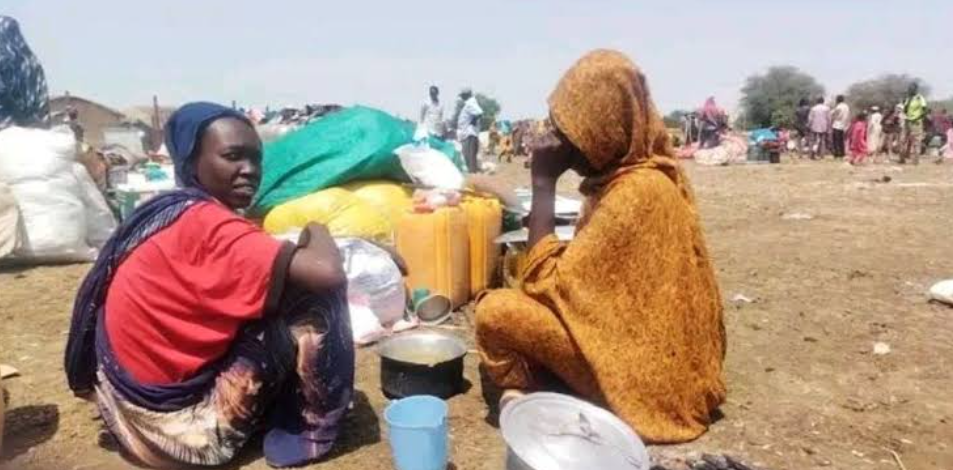
More than 45,000 people displaced by fighting in Sudan’s Blue Nile state are facing severe shortages of food, drinking water, shelter and healthcare, according to the Blue Nile Civil Society Initiative.
The group said the displaced people had fled Khor Hassan, Karnakran and Balbong and moved to the Balang area of Kurmuk locality, where they are living in difficult conditions.
It said shortages of food had forced some displaced people to eat tree leaves, while heavy rains are worsening conditions during the rainy season.
The initiative also reported shortages of medicines, medical staff, mosquito nets and other essential health supplies, saying cases of diarrhoea and malaria are increasing.
A representative of the displaced people, Sheikh Al-Hassan Haroun, told Radio Tamazuj on Thursday that families had been separated while fleeing the fighting and that several children are still missing.
He said access to clean water is a major challenge, with some displaced people travelling to Khor Al-Dom to collect water.
A woman displaced from Khor Hassan said pregnant women are particularly vulnerable because of limited access to healthcare and medicines. She said the deteriorating health situation had resulted in deaths among displaced people.
The initiative said more than 25,000 displaced people in Wad Al-Mahi are also facing severe shortages of essential supplies. It estimated that more than 100,000 people in Geissan locality are in need of humanitarian assistance.
The group called on humanitarian organisations and the international community to provide food, water, medicines and shelter, facilitate safe access for aid deliveries and protect civilians affected by the conflict.
Fighting between Sudan’s army and the paramilitary Rapid Support Forces (RSF), along with its ally, the SPLM-N, has spread to Blue Nile state, displacing large numbers of civilians.

 and then