



The schedule for South Sudan’s December elections is falling behind as voter registration and other pre-election tasks remain pending, with a political science scholar now warning that authorities may struggle to complete preparations within the remaining timeframe.
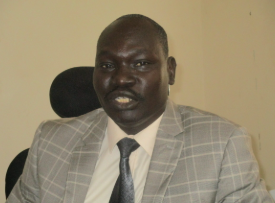
Professor Abraham Kuol Nyuon of the University of Juba said the launch of voter education was a positive step, but stressed that voter registration must begin and be completed for the elections to proceed.
“Without voters, there is no election,” he stressed, warning that the absence of a voter register remains one of the biggest challenges facing the electoral process.
Kuol said political parties also appeared unprepared, arguing that they should already have begun preparations for nominations and other activities ahead of the polls.
He also cited unresolved election laws and concerns raised by the National Elections Commission (NEC) over the release of funds needed to complete the electoral process as further obstacles.
With about four months remaining before the scheduled polling date, 22 December, the academic said it would be difficult to organise nationwide elections unless key preparations are accelerated.
He suggested that authorities could consider extending the timetable into January if necessary, saying the additional time could help address some of the outstanding preparations.
Prof. Kuol also proposed that if a nationwide election proves too difficult to organise, authorities could consider holding elections for the president and governors first, with other elections conducted later.
Under the Revitalised Agreement on the Resolution of the Conflict in South Sudan (R-ARCSS), elections are intended to provide an exit from the transitional period, which is currently scheduled to end in February 2027.
Meanwhile, a policy analyst, Boboya James Edimond, contends that the election process is facing broader legal, financial, and institutional challenges.
He cautioned that international partners be careful about financing an electoral process that lacks what he described as a sufficient legal and constitutional foundation.
He instead called for greater international support for the making of a permanent constitution, arguing that it should provide the legal foundation for future elections, stronger institutions and democratic governance.
“There is no constitution to govern the elections, there is no budget, and everyone is worried about the elections, and if the process proceeds like this, it is going to cause a lot of anxiety and mistrust among citizens,” he said.
According to Edimond, the constitution-making process should also address political, social and economic justice, as well as the rights of citizens and the system of government they want.
The two analysts’ comments come as South Sudan continues preparations for elections that have already been delayed several times since the country gained independence in 2011.
The government has maintained its commitment to holding the December 2026 polls, while electoral authorities continue preparations for voter education and registration.
However, the outstanding tasks — including voter registration, political party preparations, electoral financing and legal reforms — are putting increasing pressure on the timetable.
For Kuol, completing voter registration should be the immediate priority, followed by sustained civic education and political party mobilisation to ensure voters understand the electoral process and know which parties and candidates will participate.

 and then