



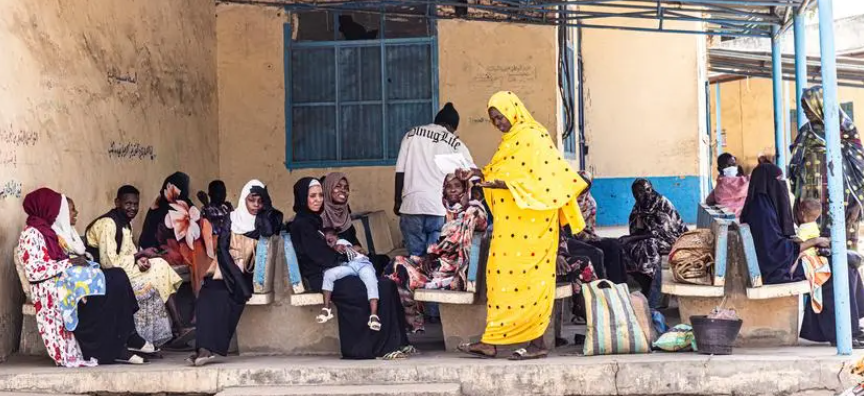
Residents of Zalingei, the capital of Central Darfur State, have praised the quality of healthcare services provided at Zalingei Teaching Hospital, particularly the free treatment available to emergency patients, despite persistent shortages of medical personnel, essential medicines, and diagnostic equipment.
Dr. Abdallah Mohamed Musa, the hospital’s medical director, acknowledged several challenges affecting its operations, including a shortage of doctors, inadequate laboratory facilities, and the closure of its mortuary.
He told Radio Tamazuj that the hospital was functioning relatively well, largely thanks to support from Médecins Sans Frontières (MSF).
“Operations at the hospital are progressing well, with support from Médecins Sans Frontières, which covers critical pediatric and neonatal cases, nutritional care and caesarean sections, as well as emergency services, including accident care, surgery, laboratory services, blood banking and mental healthcare,” he said.
However, he acknowledged that significant staffing shortages continued to undermine the hospital’s ability to meet the healthcare needs of the state’s population.
“The hospital faces major challenges, particularly a shortage of doctors,” Dr. Musa explained. “As a referral hospital serving the state’s population, it requires 32 doctors, but currently has only 22, leaving a reported shortfall of 12 doctors.”
He added that the hospital was also experiencing shortages of specialist physicians, particularly in internal medicine, general surgery and orthopedics.
Dr. Musa further highlighted shortages of life-saving medicines, intravenous fluids and antimalarial drugs, noting that assistance provided by the Tasis Government remained insufficient to meet the hospital’s needs. Diagnostic services have also been affected by equipment failures.
According to the medical director, the hospital’s functioning X-ray machine is reserved exclusively for emergency cases, while patients requiring routine examinations are unable to access radiological services because the machine designated for non-emergency cases has broken down.
He explained that the hospital had been unable to obtain the spare parts needed to repair the equipment.
Another major concern is the continued closure of the hospital’s mortuary, which plays a crucial role in preserving the bodies of unidentified deceased persons until their families can establish their identities.
Dr. Musa said the hospital regularly received unidentified bodies, making the absence of a functioning mortuary particularly problematic.
Despite these challenges, several residents expressed appreciation for the medical services available at the facility.
Fatima Musa, a Zalingei resident, told this publication that treatment at the hospital was provided free of charge, including medicines and care for complicated childbirth cases.
“Medical services at Zalingei Hospital are free of charge, including medicines and treatment for complicated deliveries. Patients also receive three meals a day at no cost,” she said.
Another resident, Adam Yahya, expressed gratitude to Médecins Sans Frontières for its substantial support to the hospital, saying the organization’s assistance had made healthcare accessible to residents of Zalingei and patients arriving from surrounding localities.
He said the intervention had considerably eased the financial burden of obtaining medical treatment, particularly given the difference between medicine prices at the hospital pharmacy and those charged by private pharmacies.
He also commended the cleanliness of the hospital premises, describing the environment as another positive aspect of the services provided.

 and then