



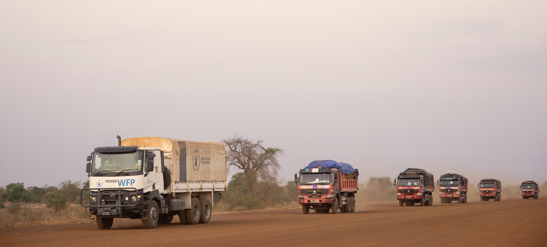
The United Nations World Food Programme (WFP) on Friday called on all parties to the conflict in South Sudan to urgently halt military operations, de-escalate the situation, and allow safe humanitarian access to deliver life-saving food assistance to hundreds of thousands of people in Jonglei State.
A press statement extended to this publication said the risk of escalating conflict in Jonglei means many of the two million people living there will be forced to flee in search of safety and food.
Nearly 60 percent of the population is already expected to face crisis levels of hunger during the upcoming lean season – when hunger is at its worst, the statement said.
“This military escalation could not have come at a worse time,” said Adham Effendi, WFP’s acting Country Director in South Sudan. “Our window to reach the most vulnerable is quickly closing. The time to act is now, and we urge all parties to protect civilians, aid workers, and allow the delivery of vital humanitarian assistance.”
According to WFP, beginning in February, pre-positioning life-saving food assistance and relief supplies closer to hunger hotspots is crucial before the lean season – which spans from April to July – when heavy rains also cut off key overland routes to reach vulnerable women, men, and children.
“Currently, both the WFP-led Logistics Cluster and the United Nations Humanitarian Air Service (UNHAS) have not received clearance from authorities to coordinate road convoys and passenger flights on behalf of the humanitarian sector,” the statement reads.
WFP contends that without urgent action, entire communities will be left beyond the reach of the vital assistance they require.
“It is imperative that we immediately address these restrictions to ensure that humanitarian aid can be delivered effectively and without delay,” says Effendi. “With safe and unimpeded passage, WFP has the teams and capacity to reach the most vulnerable families. Hundreds of thousands of lives depend on it.”
WFP says it aims to reach 3.3 million of the most vulnerable women, men, and children with life-saving emergency food, nutrition, school meals, resilience, and cash-based assistance across South Sudan in 2026.

 and then