



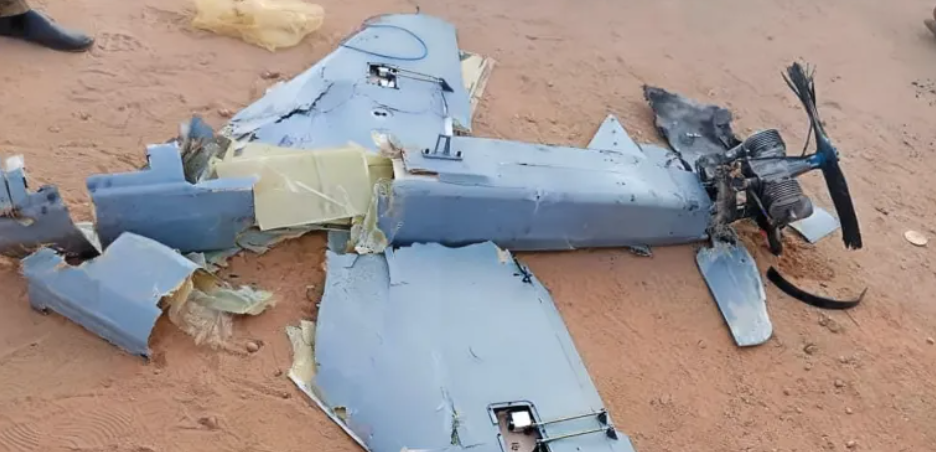
The United Nations and its humanitarian partners are continuing to provide life-saving assistance across Sudan despite ongoing drone attacks and armed clashes, the UN humanitarian agency OCHA said.
The response includes efforts to detect, prevent and treat cholera, which has spread to several parts of the country.
The World Health Organization (WHO) says the number of cholera cases has fallen sharply in recent weeks. It had pre-positioned 60 tonnes of cholera supplies across Sudan, enough to support treatment for about 120,000 cases.
WHO has also strengthened disease surveillance, trained frontline health workers and supported cholera treatment centres and oral rehydration points. Together with UNICEF, it supported oral cholera vaccination campaigns that reached more than 915,000 people.
The outbreak began in Al Nuhud locality in West Kordofan in May and has since spread to 20 localities across six states. Nearly 3,000 cases and 250 associated deaths have been reported.
Meanwhile, the UN Food and Agriculture Organization (FAO) has launched a nationwide livestock vaccination campaign aimed at protecting 9.8 million animals and supporting the livelihoods of about 1.2 million livestock-owning households.
The UN says agricultural assistance and food security are being prioritised amid concerns about lower-than-expected rainfall during the current rainy season.
Humanitarian organisations are continuing to deliver aid where security conditions allow, as fighting and air attacks continue to put civilians at risk.
In El Obeid, the capital of North Kordofan State, humanitarian partners said at least two displaced people were killed and seven others injured in a series of drone attacks on Friday.
Drone attacks and armed clashes were also reported in other parts of North Kordofan between Wednesday and Saturday, including Tanna, Al Kokiti, Al Jamama, Bara, Soudari and Al Mazroub.
OCHA has called on all parties to protect civilians and civilian infrastructure and urged donors to provide rapid and flexible funding to help humanitarian organisations respond to growing needs across Sudan.

 and then