



Health officials and women’s rights advocates in Eastern Equatoria state have urged men and communities to challenge cultural practices and attitudes that hinder women and girls from accessing sexual and reproductive health services.
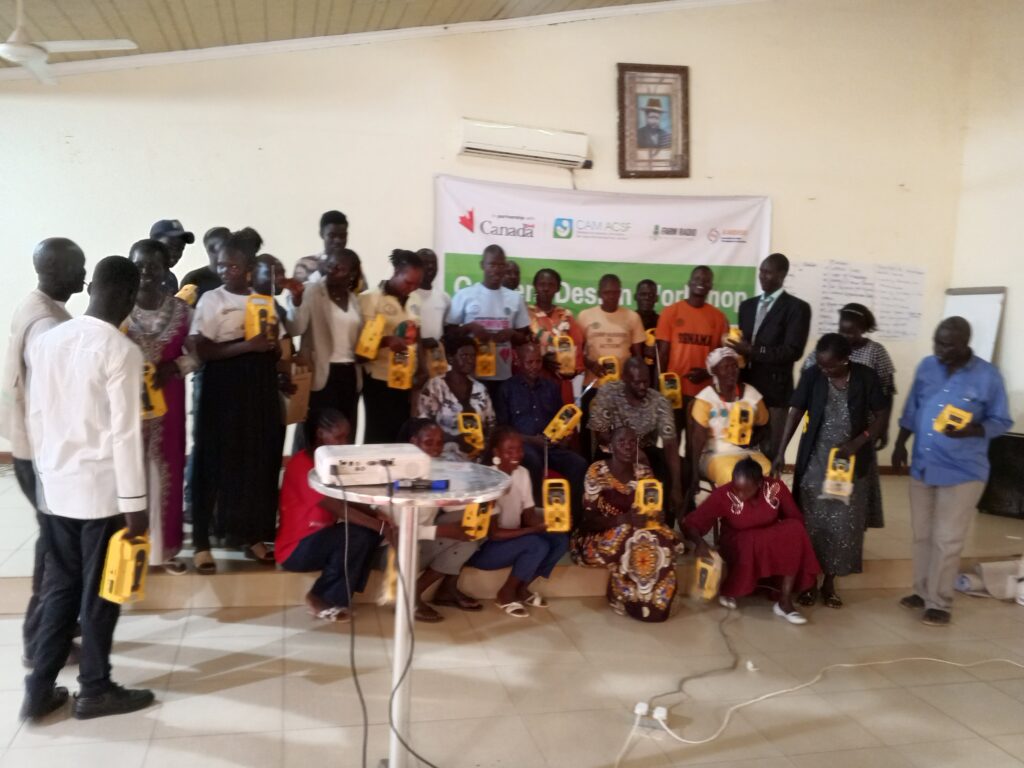
The call came at the end of a three-day workshop in Torit on sexual and reproductive health rights, women’s voices and midwifery leadership. The workshop brought together government officials, health workers, media practitioners and gender advocates to develop radio programmes on reproductive health and gender equality.
Dr. Clementina Loboya, director of reproductive health at the state health ministry, said changing attitudes among men was crucial to improving women’s rights.
“We want to initiate dialogue with men to transform their attitudes, so that they can change the way they behave towards women,” she said.
Loboya said cultural beliefs and misinformation continued to discourage discussion of family planning and expose women and adolescents to early marriage, unwanted pregnancies, sexually transmitted infections and other health risks.
She urged health workers and communicators to persist with community education, saying repeated engagement could gradually change attitudes.
Eastern Equatoria Information Minister Elia John Ahaji said the initiative should focus on reaching communities rather than holding workshops.
He urged communicators to frame family planning discussions around child spacing, which he said was more widely understood, and called for an end to practices such as wife inheritance and child marriage.
The Association for Media Development in South Sudan, which organized the workshop with the Canadian Association of Midwives, Farm Radio International and other partners, said the initiative would continue through radio discussions and community outreach.
Participants said greater involvement of men, women, traditional leaders, health workers and the media was needed to improve access to accurate sexual and reproductive health information.

 and then