



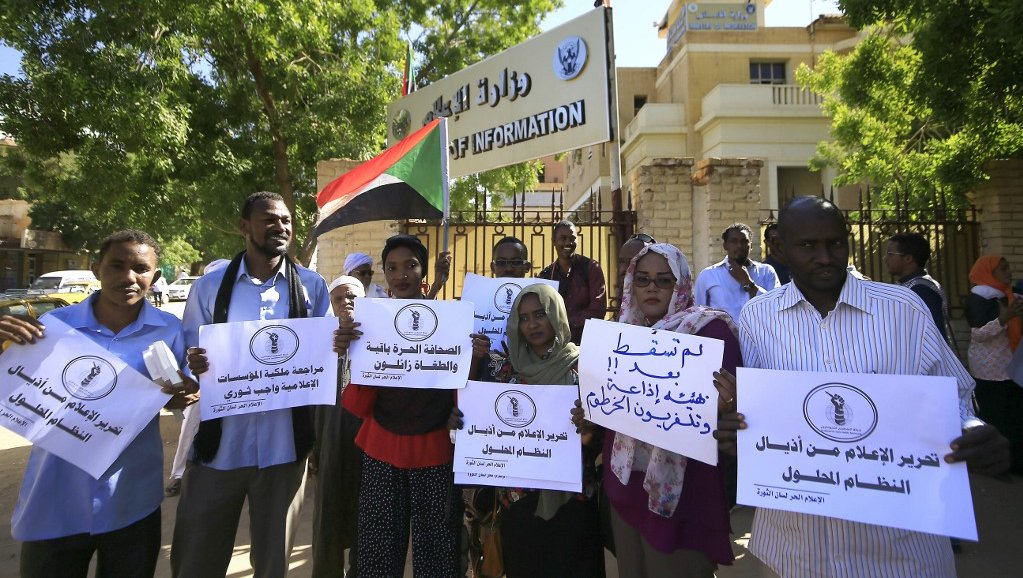
The conflict that erupted in Sudan on April 15, 2023, between the Sudanese Armed Forces (SAF) and the Rapid Support Forces (RSF) has caused a severe humanitarian crisis, affected millions, and created profound information gaps, particularly in the Darfur region. In such volatile environments, access to reliable information plays a critical role in shaping behavior, influencing decisions, and facilitating humanitarian responses.
Independent media, historically, serve as a vital platform for disseminating reliable information by countering hate speeches, fostering public opinion, and even influencing warring parties to take up peaceful means. However, the sustainability and effectiveness of independent media in conflict zones were at times frequently jeopardized by funding shortfalls and external influences.
The role of mass media in Sudan has long been recognized as significant in shaping society, influencing social norms, and disseminating information, especially given the nation’s history of political unrest. During conflicts, the media also plays a crucial role in providing accurate and timely information to affected populations, which is essential for personal safety, access to aid, and mitigating further risks.
The current conflict has exacerbated the challenges for media operations in Sudan, including physical risks to journalists, censorship, and information manipulation. The portrayal of the conflict itself can be heavily influenced, with some analyses suggesting attempts to localize the problem to two generals, thereby disengaging it from broader global power shifts and external financing. This underscores the critical need for independent media to counter potentially biased narratives.
Funding shortfalls, particularly from international donors, pose a significant threat to the capacity and independence of media outlets in crisis regions. For instance, in South Sudan, the health system and other government sectors are heavily dependent on foreign aid from organizations such as USAID and UKAID. This highlights a broader pattern of aid dependency in the region, where cuts can have profound implications for essential services, including the media. When funding for independent media is reduced, it directly impacts their ability to maintain operations, pay journalists, and ensure the timely and accurate dissemination of information, thereby widening the information gaps.
The current information gaps and risks in Sudan are multifaceted. With millions displaced and critical infrastructure destroyed, including educational and research systems, reliable channels are often disrupted. The breakdown of communication infrastructure, coupled with the intentional spread of disinformation, creates an environment for misinformation and uncertainty. This can increase civilians’ vulnerability and make it difficult for the international community to assess the situation and respond effectively and accurately. Moreover, foreign media bias in shaping perceptions of the conflict between the SAF and RSF has been observed, underscoring the need for diverse, independent reporting. The impact of information gaps is particularly acute in humanitarian crises, where access to trustworthy information can directly influence health outcomes and access to essential services.
For instance, the collapse of Sudan’s health system, with a higher percentage of hospitals becoming non-operational, necessitates robust communication for caregivers about the available services. Continued support for independent media with a special focus on Sudan, particularly in the Darfur region, was intensifying for several reasons:
First, independent media acts as a watchdog, holding belligerent/warring parties accountable and reporting on potential abuses, which is crucial for international humanitarian law and transitional justice in post-war scenarios.
Secondly, it provides a counter-narrative to the state-controlled or biased reporting, offering citizens a more complete and accurate understanding of events.
Thirdly, in conflict settings, independent media can play a vital role in nation-building by fostering common values, promoting civic engagement, and facilitating public discourse.
Last, but not least, supporting independent media outlets for comprehensive Sudan coverage would be a cornerstone for disseminating verified, reliable, and fact-based information. Empowering the media would play a pivotal role in bridging the information gaps, countering misinformation, and promoting media transparency across Sudan.
By ensuring the free flow of information, independent media contribute to transparency and accountability, which are essential for long-term stability and development.
Ultimately, the fragility of digital mobilization in Sudan, due to government control and surveillance technologies, underscores the need for diverse, independent avenues that can circumvent such restrictions. Without sustained support, independent media outlets risk being silenced, thereby deepening the information vacuums and increasing the vulnerability of populations caught in the conflict.
The decline of independent journalism, particularly outside the Western world, due to financial constraints, is well known, and governments can use funding to control narratives. Therefore, continued international and local support is crucial to ensuring that independent media can continue to operate, provide essential information, and contribute to stability and accountability in Sudan.
Leek Daniel is a media specialist & development practitioner and can be reached via leek2daniel@gmail.com.
The views expressed in ‘opinion’ articles published by Radio Tamazuj are solely those of the writer. The veracity of any claims made is the responsibility of the author, not Radio Tamazuj.

 and then