



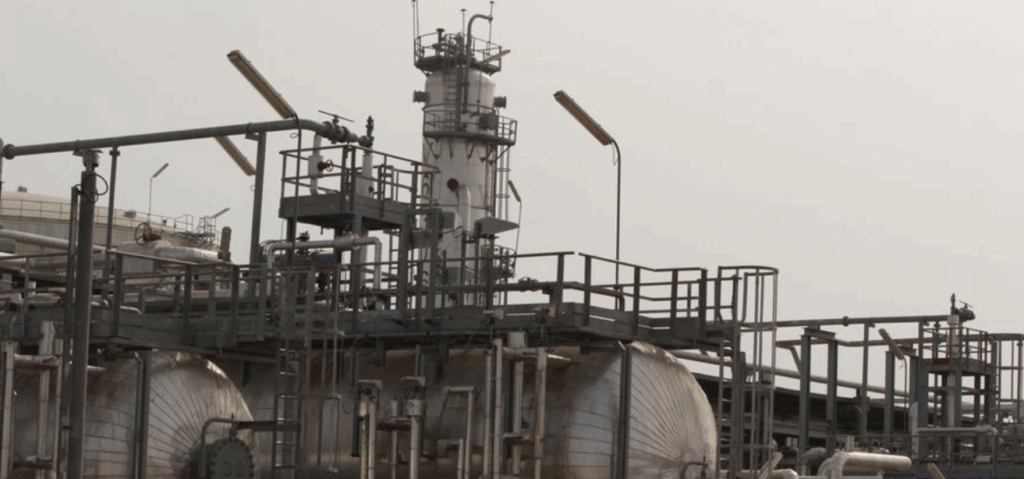
The Rapid Support Forces’ (RSF) capture of the Heglig oil field represents one of the most consequential moments in the Sudanese conflict since the fall of Khartoum. It is not merely a battlefield victory; it is a seismic shift that strikes at the economic lifelines of both Sudan and South Sudan and threatens to pull the wider region into deeper instability.
Heglig is more than a geographic location—it is the artery through which billions of dollars in crude oil have flowed for over a decade. The facility has long served as a processing and transit hub for South Sudanese oil, while also producing Sudan’s own limited output. With RSF fighters now in control, production has halted, workers have fled, and the future of the entire oil value chain sits in uncertainty.
For Sudan, the implications are immediate and severe. Transit fees from South Sudan’s crude formed one of the few reliable sources of revenue for a government already crippled by war. The loss of Heglig tightens the fiscal noose around the state, undermines public service delivery, and weakens the Sudan Armed Forces’ (SAF) bargaining position. For a government fighting for survival, such an economic blow is as damaging as a military defeat.
Yet the shockwaves extend southward just as sharply. South Sudan depends on oil for more than 90 percent of its national revenue. Disruptions at Heglig risk plunging Juba into an unprecedented fiscal crisis—one that could undermine the peace agreement, destabilize the delicate political balance, and worsen humanitarian needs for a population already facing immense hardship. Even if the RSF promises to safeguard operations, international companies cannot safely work in an active war zone. Every day of shutdown costs South Sudan millions it cannot afford to lose.
Beyond economics, the humanitarian fallout is already visible. Skirmishes near Heglig have displaced civilians, forced skilled technicians to evacuate, and triggered fears of mass movements toward South Sudan and neighboring states. With millions already uprooted by Sudan’s civil war, another wave of displacement risks overwhelming an already fragile humanitarian response.
This crisis is also reshaping regional geopolitics. Control of oil infrastructure gives the RSF a powerful new bargaining chip. It elevates the group’s leverage in any future negotiations and potentially opens channels for illicit oil sales or taxation. Meanwhile, foreign investors—particularly Asian energy companies with long-standing concessions—face rising risks, forcing governments like those of China and Malaysia into uncomfortable diplomatic decisions.
Yet military escalation is not the solution. Any attempt by SAF to retake Heglig by force risks catastrophic damage to infrastructure that neither nation can easily rebuild. A scorched-earth policy toward the oil sector would cripple both economies and condemn millions to deeper poverty.
What is urgently needed is diplomacy grounded in realism and regional responsibility. Sudan, South Sudan, IGAD, the African Union, and the United Nations must urgently negotiate a neutral, demilitarized arrangement for Heglig’s operations. The priority must be civilian protection and the preservation of infrastructure—not territorial pride. International guarantors, including major oil investors, should support a temporary technical administration of the field until a broader ceasefire is secured.
South Sudan, for its part, must swiftly prepare fiscal contingency plans and engage both warring parties to protect its economic interests. Heglig’s shutdown is not just Sudan’s crisis—it is Juba’s economic emergency. Meanwhile, global insurance and shipping firms should enforce strict rules against unauthorized crude sales from contested zones, preventing profiteering and discouraging further militarization of oil assets.
Heglig has long symbolized the intertwined destinies of Sudan and South Sudan. Today, it symbolizes their shared vulnerability. The RSF’s seizure of the field is a stark warning: when states treat oil as a weapon, it is their people who bleed. The region must act now—not to defend territory, but to defend the future of millions whose survival depends on the flow of peace as much as the flow of oil.
If cooler heads prevail, Heglig can become the starting point for meaningful dialogue. If not, it may become the spark that ignites a far wider regional catastrophe.
The writer, John Bith Aliap, is a South Sudanese political analyst and commentator on governance, leadership, and state-building in post-conflict societies. He can be reached at johnaliap2021@hotmail.com.
The views expressed in ‘opinion’ articles published by Radio Tamazuj are solely those of the writer. The veracity of any claims made is the responsibility of the author, not Radio Tamazuj.

 and then