



Médecins Sans Frontières/Doctors Without Borders (MSF) has denounced the restrictions on humanitarian access that the government of South Sudan has imposed exclusively in parts of the opposition-held areas of Jonglei State.
According to a Friday press release extended to Radio Tamazuj, these restrictions limit MSF’s ability to deliver essential medical assistance for communities, which can have particularly dangerous consequences for children, pregnant women, and people living with chronic or life-threatening conditions.
“These restrictions have been in place since December 2025, and include Lankien, Pieri, and Akobo. This means that all humanitarian flights are suspended, making it difficult or impossible to distribute medical and other critical supplies and personnel where needed,” the statement reads in part.
As of 29 January, at least 23 critically ill patients from Lankien and Pieri are in urgent need of referrals, and their lives are at immediate risk, the statement added.
“Patients will die if the government continues to block humanitarian and medical access in Jonglei,” said Abdalla Hussein, MSF Desk Manager for South Sudan. “Imposing restrictions on humanitarian aid and preventing people from accessing healthcare is a crude political manoeuvre. Ultimately, it is the civilians who pay the price. This must stop immediately.”
He said that it is unacceptable to hear statements from authority figures openly suggesting that mass violence against civilians and their forced displacement should be employed.
“We call upon the government to act and urgently reassure the protection of civilians,” Hussein added.
Following the restrictions, MSF has been forced to evacuate staff from Lankien and Akobo, and reduce medical services in these facilities and those in Pieri, to emergency and lifesaving care only.
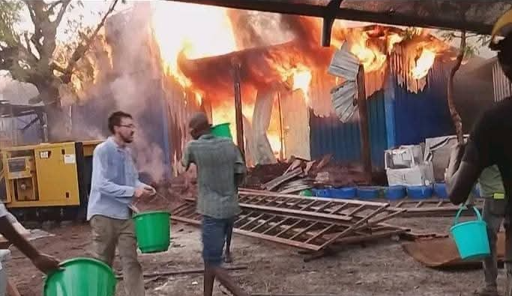
“On 29 January, MSF’s team in Pieri was also forced to leave the facility, due to the imminent danger of armed conflict. We had to discharge most of our patients, grab emergency kits, and flee the town along with the local community,” the statement said.
MSF said it is the only health provider serving about 250 thousand people in Lankien and Pieri, and another 112 thousand in Akobo. This means that almost 400,000 people will be left without any healthcare if the government refuses to grant MSF access and we are forced to leave the area.
Meanwhile, Gul Badshah, MSF Operations Manager for South Sudan, said ongoing conflict and displacement in Jonglei are further increasing the vulnerability of civilians, creating new and urgent humanitarian needs on top of already limited healthcare services.
“MSF reminds all armed groups and political actors that they share the responsibility to protect civilians, humanitarian and medical personnel, and healthcare facilities,” he stressed. “Attacks, threats, and interference with medical activities put lives at risk and must stop.”
The health charity says the worsening humanitarian crisis in South Sudan needs urgent international prioritization: communities face overlapping crises, and the current response is not meeting the rising needs across the country.
“If MSF is unable to resupply our medical facilities during the dry season – while roads are still accessible – the consequences will be even more dramatic, and the humanitarian crisis to follow will be catastrophic,” the statement concluded.

 and then