



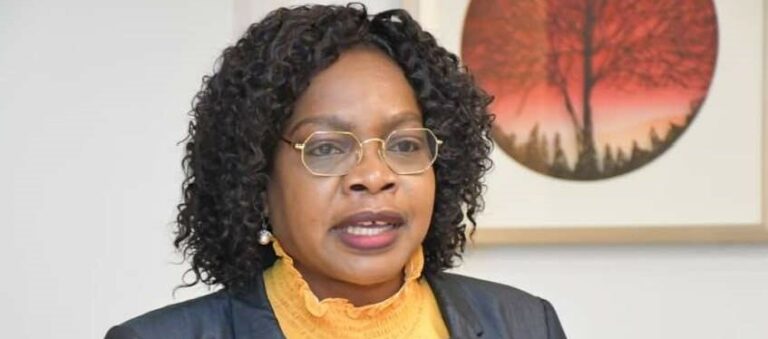
South Sudan’s health ministry said it will withdraw support from 102 health facilities nationwide after funding shortfalls under a World Bank-backed programme forced major cuts to services.
In a letter dated January 13 to state governors and chief administrators, Health Minister Sarah Cleto Rial said the decision followed a financial review of the Health Sector Transformation Project (HSTP) and was aimed at keeping the programme operational until June 2027.
The ministry said the move was part of cost-saving measures agreed after consultations with state health authorities, development partners and UN agencies, including UNICEF and the World Health Organization (WHO).
Under the plan, HSTP support will be terminated at 102 facilities across all states, services will be downgraded at six hospitals through reduced incentives and operational capacity, and in-service training for health workers will be scaled back. Operational costs across the programme will also be reduced, the ministry said.
Earlier efforts to close the funding gap — including cuts to indirect and programme costs — proved insufficient, leaving the government with what it described as a “last-resort” decision to prevent the collapse of the entire project.
“While these measures are painful, they are necessary to protect essential health services from abrupt disruption,” the letter said.
Facilities were selected based on security conditions, functionality, duplication with nearby centres and the need to maintain referral pathways. Health centres already non-operational due to insecurity were prioritised for removal from the programme, according to the ministry.
Upper Nile State is the worst affected, losing support to 28 facilities, including three county hospitals and 25 primary health units. Western Equatoria State will lose support to 20 facilities, while Central Equatoria and Jonglei states will also see significant reductions. Smaller but notable cuts were reported in other states and administrative areas.
The ministry acknowledged the impact the decision would have on communities reliant on subsidised health services, particularly in remote and conflict-affected areas, adding that state-level consultations were held to minimise service gaps.
Governors were urged to lead efforts to sustain essential health services during the transition, including mobilising alternative and local support where possible.
The HSTP is one of South Sudan’s flagship health programmes, aimed at strengthening basic health service delivery with support from the World Bank and other partners. The ministry said the cuts reflect wider global funding pressures, with the WHO warning that reductions in international health aid are already causing service disruptions and facility closures elsewhere.
South Sudan’s health system remains fragile after years of conflict, chronic underfunding and poor infrastructure, with many communities already facing long travel distances and limited access to care.

 and then