



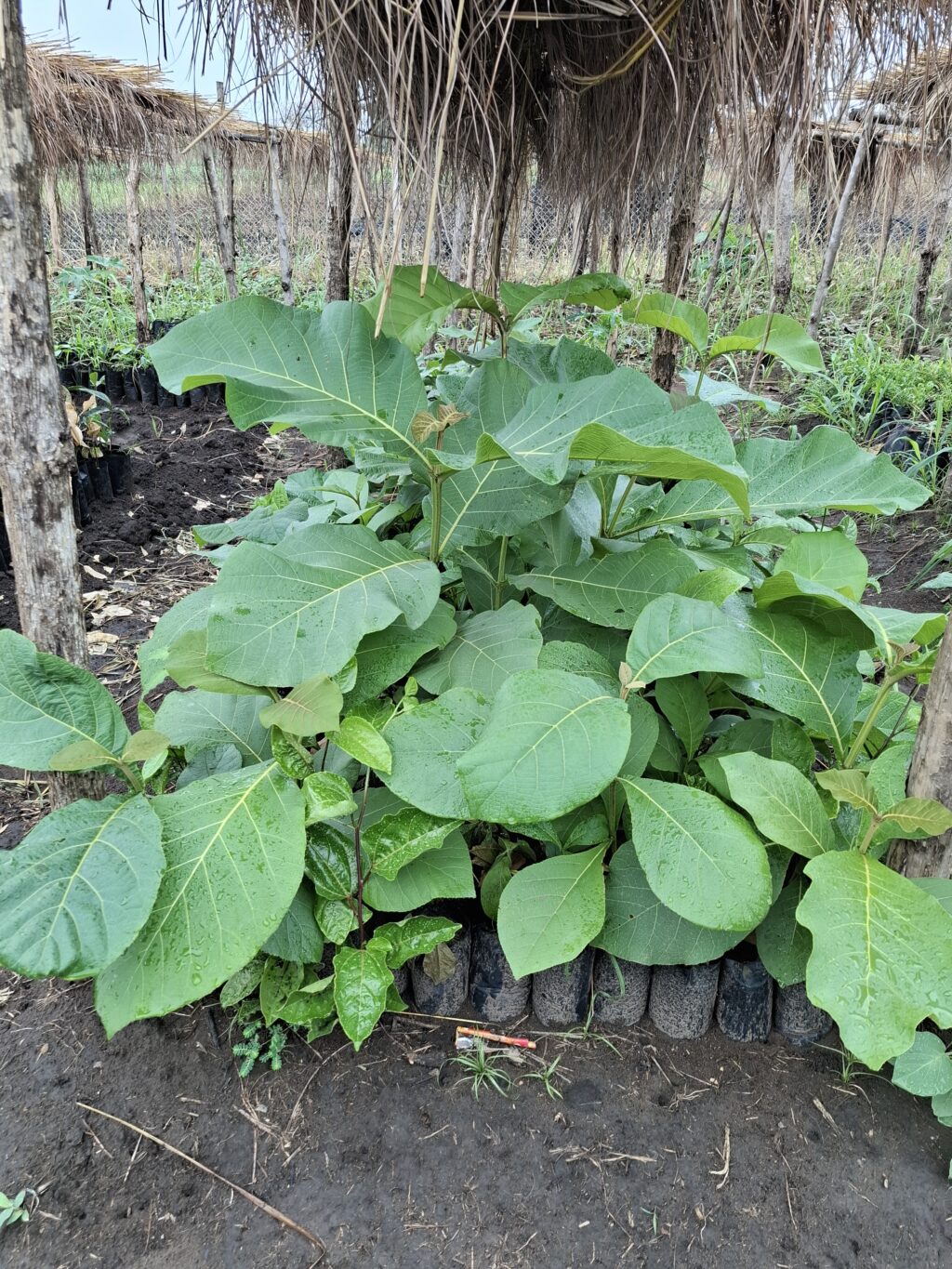
Development partners in South Sudan have distributed more than 18,000 tree seedlings to farming households and communities as part of afforestation and agroforestry efforts to address deforestation and climate vulnerability, officials said on Saturday, marking the International Day of Forests.
The initiatives are backed by the European Union, Germany and the Netherlands, and implemented by Deutsche Gesellschaft für Internationale Zusammenarbeit (GIZ) and Cordaid under two projects focused on natural resource management and disaster risk reduction.
In Yambio County in Western Equatoria State and Magwi County in Eastern Equatoria State, communities have received training in nursery management, sustainable land use and bushfire prevention, according to a joint statement from the partners. Farmers have also been supported to integrate fruit and multipurpose trees into their farms to improve soil fertility and crop productivity.
The interventions began in December 2022 under the Natural Resource Management for Enhanced Agricultural Production and Nutrition Project (FONA) and expanded in June 2024 through the Fostering Integrated Disaster Risk Management (FIDRM) project, implemented in cooperation with the Community Driven Rural Development (CDRD) programme.
Across both locations, partners have established several community-managed nurseries and distributed more than 18,000 seedlings, including fruit trees, shade trees and native species. Thousands of smallholder farmers have also received training in agroforestry and sustainable land management.
Widespread deforestation in parts of South Sudan has contributed to lower soil fertility, reduced agricultural productivity and increased vulnerability to climate shocks such as flooding, fires and erosion, the statement said. Communities have faced damage to farm fields and homes from bushfires, as well as shortages of fuelwood and construction materials.
“Much of our work today is remedial, restoring forests and reviving rivers damaged by years of recklessness,” said the country director of Cordaid South Sudan. “But restoration is just the beginning. We are laying the foundation so future generations can strengthen ecosystems instead of repairing our mistakes.”
The projects also include community awareness campaigns on fire control, distribution of fire management equipment and promotion of energy-efficient technologies such as improved cooking stoves to reduce pressure on natural forests.
GIZ implements the projects on behalf of the German Federal Ministry for Economic Cooperation and Development. The CDRD project is co-funded by the European Union and the Embassy of the Kingdom of the Netherlands.

 and then