



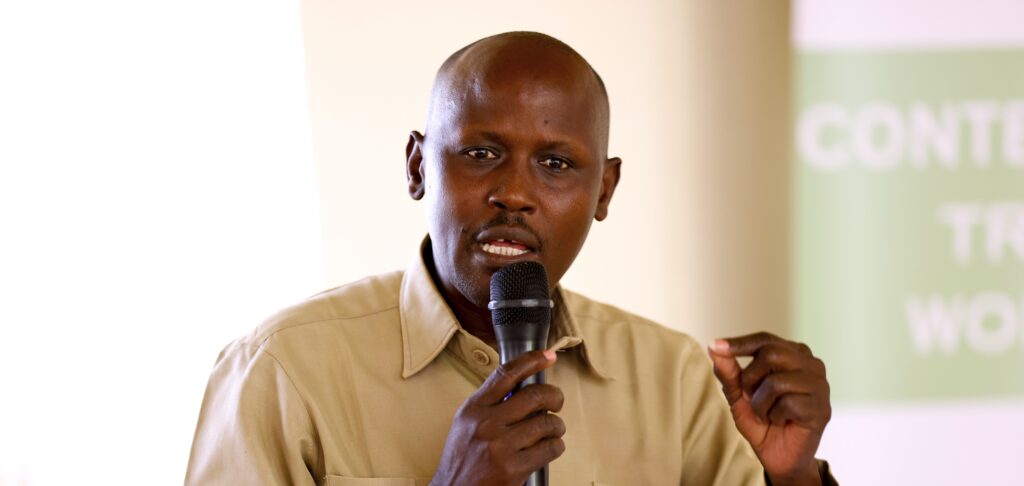
The Eastern Equatoria state government has praised Canada for its support to the healthcare sector, particularly efforts to strengthen maternal health, midwifery services and access to sexual and reproductive health information.
State Information and Communication Minister Elia John Alhaj made the remarks on Wednesday while opening a three-day content design training in Torit attended by 35 journalists, radio listener groups, health workers, women’s and youth representatives.
The training aims to strengthen the ability of media practitioners and communities to develop and share accurate and responsible health information.
Alhaj thanked Global Affairs Canada and the Canadian Association of Midwives (CAM), saying their support was helping improve healthcare services and public awareness in the state.
He urged journalists to follow media and medical ethics when reporting on sensitive health issues, including sexual and reproductive health.
“Design this content in line with the approved cultural and social norms to avoid causing harm,” Alhaj told participants.
He also praised midwives for their role in supporting mothers and newborns, saying they deserved greater respect and recognition.
More Canadian support
Alhaj called on Global Affairs Canada and CAM to extend similar support to other radio stations across Eastern Equatoria, saying radio remained an important source of health information, particularly in communities with limited access to other forms of communication.
He urged journalists to provide information that helps people make informed health decisions and avoid messages that could fuel fear, stigma or misinformation.
He also commended the Association for Media Development in South Sudan (AMDISS) for distributing radio sets to listeners and health practitioners involved in the initiative.
He said the radios would expand access to health information and allow communities to participate in discussions on issues affecting them.
Use local languages
The Director-General of the Eastern Equatoria State Ministry of Health, Dr. Amin Tafeng, said effective health communication should use languages communities understand.
He urged journalists and health workers to use local languages appropriately and explain medical terms carefully, particularly when discussing sensitive issues.
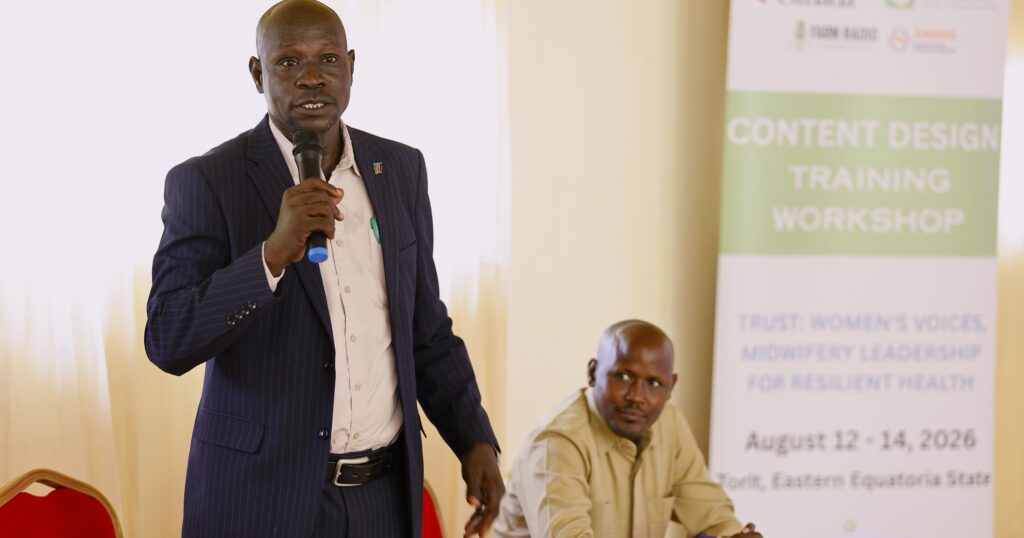
Tafeng said using commonly spoken languages could encourage people to ask questions, share experiences and seek appropriate care.
“Discuss sexual reproduction in Otuho and other languages for better understanding,” he said.
He stressed the need for accurate information on issues including family planning and contraceptive use.
“If it is about condom usage as a method of family planning, our people should be informed properly,” Tafeng said.
He also encouraged women and adolescent girls to speak openly about challenges they face, saying their experiences could help authorities and development partners identify appropriate interventions.
Unsafe abortion warning
Tafeng warned against unsafe abortion practices, saying they could expose women to serious health risks.
He urged people facing pregnancy-related health problems to seek care from qualified health professionals and health facilities rather than relying on unsafe methods or unapproved medicines.
“Illegal abortion puts your lives at risk,” he said.
He also urged communities to respect the rights and dignity of people living with HIV and others facing health conditions, while encouraging the public to use contraceptives approved by the Ministry of Health.
Husbands urged to help
Registered nurse Lucy Fredrick Pasqual said improving maternal health also required greater involvement from husbands and families.
She said some men were reluctant to accompany their wives to antenatal and maternity appointments because of social attitudes or embarrassment.
“Some husbands feel shy to accompany their wives to the hospital; this is so bad,” she said.
Pasqual encouraged husbands to attend appointments with their wives where possible, saying their involvement could help families better understand pregnancy, childbirth and newborn care.
“It is important to go with your wives to the hospital so that the doctors can advise you on how to take care of your unborn babies,” she said.
She also highlighted financial and transport challenges facing some pregnant women seeking healthcare.
Media as a bridge
The Torit training brings together journalists, health workers, women, young people and radio listeners involved in producing and receiving health information.
Organizers say involving these groups can help communities understand, question and participate in discussions about health.
For journalists, it also requires balancing the public interest with the protection of people’s dignity and privacy when reporting on sensitive sexual and reproductive health issues.
The training is being conducted by AMDISS in collaboration with Radio Farm International, with support from Global Affairs Canada and CAM.

 and then