



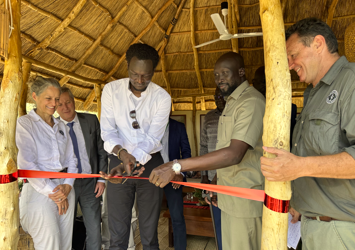
The Maruwa Hills Tourist Camp in the Greater Pibor Administrative Area’s (GPAA) Boma County was officially opened on Thursday by South Sudan’s Ministry of Wildlife, Conservation & Tourism (MWCT), in partnership with African Parks, a boost to the tourism sector.
A press release extended to this publication said this milestone represents the first phase of a responsible, community-centered tourism initiative designed to support conservation outcomes, strengthen livelihoods, and showcase South Sudan’s emerging identity as the Land of Great Abundance.
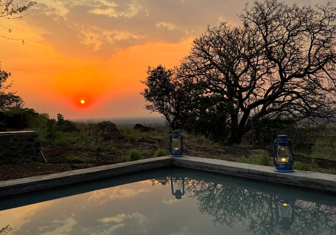
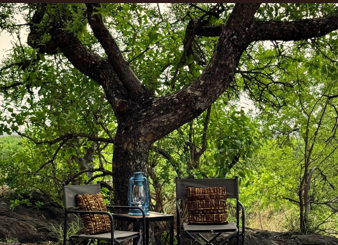
“Located within the globally significant Great Nile Migration Landscape – home to the world’s largest land mammal migration – the Maruwa Hills pilot anchors a broader, long-term vision for sustainable tourism development,” the statement reads in part. “The site provides an ecologically and culturally grounded introduction point for visitors while strengthening local stewardship of one of Africa’s last great wilderness regions, in a way that is deeply rooted in – and respectful of – local culture, traditions, and knowledge.”
In 2022, the Government of South Sudan entered a landmark 10-year partnership with African Parks to manage the Boma and Badingilo Migratory landscape across Jonglei, Central Equatoria, and Eastern Equatoria states.
Denay Jock Chagor, the Minister of Wildlife, Conservation and Tourism, said it was a historic and proud moment for South Sudan because it was the opening of the first tourism site of its kind in South Sudan.
“This is a place that will welcome visitors from across the nation and around the world. What was once a question from the community – ‘What will we gain from this?’ – is now being answered. The benefits have already begun,” he said. “Through this partnership with African Parks, we are seeing real change: jobs are being created, incomes are growing, and opportunities are emerging for families. Visitors who come here will support your businesses, buy your goods, and contribute directly to your livelihoods.”
“This is how conservation begins to deliver real value to the people. But with this opportunity comes responsibility. We ask the community to ensure peace and security, because this place now represents South Sudan to the world,” Minister Jock added.
For his part, Gola Boyoi Gola, the GPAA Chief Administrator, said this is the first project of its kind and shows what is possible when people work together.
“When I first came here, I said that one day there would be hotels and development in this place, because of its beauty and potential. Today, we are witnessing that vision becoming reality. I want to sincerely thank African Parks for turning what was once a vision into something tangible,” he said. “This project demonstrates that when national government, local authorities, and communities collaborate, we can achieve meaningful and lasting development. This is also a new direction for our country. We must begin to think beyond oil and explore other sectors like tourism, which can bring sustainable opportunities to our people.”
“This project helps answer an important question from communities – why protect wildlife? Today, the answer is clear: because it brings benefits, livelihoods, and development.” He added, saying the local leadership would ensure peace and security so that visitors feel safe and welcome.
Meanwhile, Jan Fourie, Park Manager – Boma National Park, said it was a milestone that was only an idea on paper just over a year ago.
“Standing here today, we are witnessing that vision come to life. It is a proud and humbling moment for my team and me. I want to especially thank the community of Maruwa – the real team behind this achievement. Throughout this journey, we have learned to understand one another, to work together, and to build something meaningful as one united effort,” he said. “This project was not built from the top down. The opportunity may have been created through African Parks and our partners, but it is the community that took it forward – with their own strength, commitment, and determination.”
“As beautiful as this camp is, it is only a symbol of the greater responsibility ahead of us. If we want this to succeed, we must work together to protect the wildlife, restore these ecosystems, and ensure that this land continues to provide for future generations,” Fourie added.
Philip Winter, Chair of the African Parks South Sudan Board, said the camp’s opening represents a defining moment for conservation-led development in South Sudan.
“It reflects what can be achieved when government, communities, and partners work with a shared vision and long-term commitment. The Maruwa Hills initiative lays the foundation for sustainable tourism while ensuring that local people remain central beneficiaries of their own landscape,” he stated. “We are proud to stand alongside MWCT and the peoples of South Sudan in laying the groundwork for a model that will allow them to benefit from wider recognition of the unique natural resources with which they live.”
On his part, Ambassador Philippe Michel-Kleisbauer, Ambassador of France to South Sudan, said wildlife is a powerful symbol of freedom.
“The animals, the trees, and the landscapes you are protecting – they do not speak, they do not vote, and they do not ask for anything. When you protect them, you do it freely, for something greater than ourselves. That is why conservation is such a strong symbol of both freedom and the future,” he said. “What you are building here is not only for today – it is for the next generation. It is for the children who will grow up here, who will one day look at this place and say, ‘I am proud to continue this work.’ That is the true meaning of what is being achieved here.”

 and then