



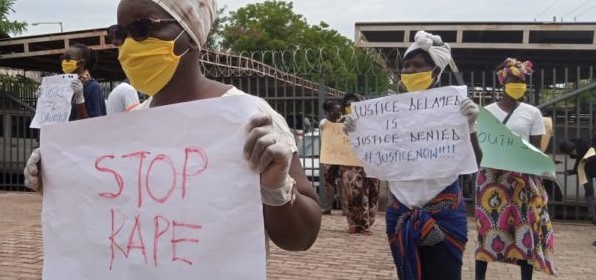
Local authorities and community leaders in Yambio County, Western Equatoria State, are condemning the widespread practice of resolving gender-based violence (GBV) cases privately within families, saying it denies victims justice and allows perpetrators to evade accountability.
Community leaders told Radio Tamazuj that many incidents of rape, early and forced marriage, and domestic abuse are never reported to police or health authorities. Instead, families often negotiate settlements at home, frequently involving money, which causes cases to collapse and leaves women and girls exposed to further abuse.
“Handling these cases at home means the law is not followed, and victims are left without protection,” said Edward Aliminio, a community leader in Yambio town municipality.
“Early marriage for money is illegal, yet families continue to allow it. When dowries are not paid, girls are abandoned, sometimes while pregnant, and no one is held responsible,” he added.
Aliminio further said most reported cases occur at night and added that community leaders are trying to link survivors to hospitals, police and humanitarian partners, but underreporting remains widespread.
Another community leader, Henry Anthony, said some cases are linked to young girls frequenting night entertainment spots and exposure to drugs. He cited a rape case last year at Yambio Freedom Square in which a woman was attacked by four men and sustained serious injuries.
“One suspect has been arrested and investigations are ongoing,” Anthony said.
Rights advocates caution that such explanations risk shifting blame to victims, noting that sexual violence remains a crime regardless of where or when it occurs.
Several residents said families often choose private settlements because the formal justice system is slow, costly and difficult to navigate.
One resident, who spoke on condition of anonymity for fear of reprisals, said reporting cases to police can take years and require repeated follow-ups, sometimes involving unofficial payments.
Another resident, Big Wilson, said GBV is also fueled by men living in women’s homes without accountability, theft and widespread drug abuse. He called for tougher enforcement by police, clearer laws and stronger action by community and government leaders.
A staff member at the Ministry of Gender, Child and Social Welfare in Western Equatoria State, who spoke anonymously because she was not authorized to speak publicly, said poor communication and limited outreach hinder efforts to protect survivors.
“Families demand money to settle cases, and the victim is left unprotected,” she said. “One perpetrator can assault multiple women and nothing happens.” She said the ministry works with partners to provide counseling, psychosocial support and referrals to courts, but many cases never reach authorities.
Odetta Miwai, deputy director of a local civil society organization in Yambio, said settling serious GBV cases at home violates the law.
“Minor disputes can be handled by community leaders, but rape, sexual abuse and cases involving children must be reported to police,” she said. “Community leaders should stop mediating serious crimes, and families must refuse these arrangements.”
Under South Sudanese law, gender-based violence is a criminal offense. The Penal Code Act of 2008 criminalizes rape, sexual assault and defilement, while the Child Act of 2008 prohibits early and forced marriage and provides special protection for children from sexual abuse and exploitation.
The Transitional Constitution guarantees the rights and dignity of women and children and obliges the state to protect them from harmful practices.

 and then