



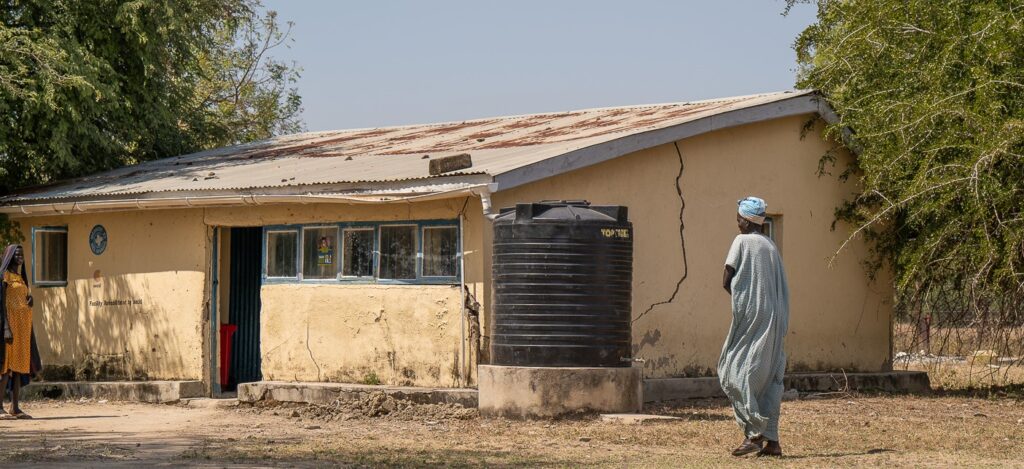
UNICEF, working with the British government and South Sudan’s Ministry of Health, has begun constructing and rehabilitating health facilities across several states, the agencies said.
The six-month programme aims to expand access to maternal, newborn and child health, nutrition and other primary care services in underserved and crisis-affected areas. The facilities are expected to be completed and handed over to the government by March 2026.
The project covers selected hospitals and primary health care centres in Upper Nile, Unity, Jonglei, Lakes, Warrap, Western Bahr el Ghazal and Eastern Equatoria states.
Planned works include building staff housing, expanding maternity wards, installing solar power, improving water and sanitation systems, refurbishing operating theatres and strengthening vaccine cold-chain storage.
UNICEF said on Monday that the upgrades are intended to help maintain essential services during conflict, displacement and climate-related shocks. The programme supports the Health Sector Transformation Project led by the Ministry of Health, with a focus on climate-resilient infrastructure, referral systems and improved working conditions for frontline health workers.
UK Ambassador to South Sudan David Ashley said the funding would improve health services for mothers and children in seven states and forms part of broader UK support to the health sector, including $26 million for the Health Sector Transformation Project.
He urged the government to increase domestic funding for health and other basic services to reduce reliance on international assistance.
Ismail Kamil, UNICEF’s acting representative in South Sudan, said the investment would strengthen community services and health facilities, helping pregnant women, newborns and children access care in difficult conditions.
UNICEF and the UK government said they remain committed to supporting South Sudan in building a more resilient and equitable primary health care system.

 and then