



A key South Sudanese opposition alliance has received a new framework for inclusive peace talks from Kenyan mediators but has voiced serious “reservations” over its emphasis on elections and what it describes as an “imposed” four-week timeline.
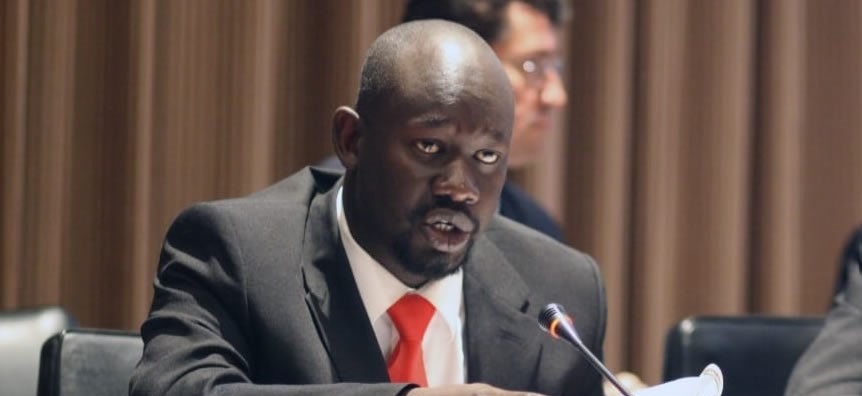
Emmanuel Ajawin, Secretary-General of the South Sudan Opposition Movements Alliance (SSOMA), told Radio Tamazuj on Tuesday that the group received the Tumaini Initiative framework and later met chief mediator Lazarus Sumbeiywo virtually on February 4.
SSOMA is a coalition of armed and political groups that declined to sign South Sudan’s 2018 Revitalised Agreement on the Resolution of the Conflict (R-ARCSS).
Led by General Thomas Cirillo, the alliance previously took part in Italy-based talks facilitated by the Community of Sant’Egidio. Those negotiations later stalled, prompting President Salva Kiir to launch the Nairobi-based Tumaini (Hope) Initiative in December 2023.
“I received the framework via WhatsApp from the mediation and there was no cover letter enclosed,” Ajawin said. “They said this framework is a new initiative of Tumaini from Kenya, so it was not an invitation for talks.”
Election questioned
The Tumaini Initiative aims to produce a “National Consensus Charter for Peace and Democracy” within one month, but Ajawin said SSOMA is concerned the process prioritises elections over deeper political and security reforms.
“The focus is that there is a need for a consensus and this inclusive dialogue will lead to elections. The other issues like security arrangements and the permanent constitution will be deferred to the post-election period,” he said.
Ajawin questioned government plans to rely on 2010 geographical constituencies, saying a population census was required before any vote.
“President Kiir himself disputed the census of 2010 and he told the media at the time that the census was not conducted transparently. So how can he adopt it now to conduct elections?” Ajawin asked.
“The political environment is not conducive because there is war in the Upper Nile region between the parties to the 2018 peace agreement,” he added.
“We told the mediators that elections are not the final aim, it is just one of the components of democratic transformation, so there should be a conducive atmosphere for elections,” Ajawin said.
‘Imposed’ timeline
Ajawin criticised the mediation team for setting a strict one-month deadline and drafting the framework without prior consultations with all parties.
“If the talks are intended to be South Sudanese-owned, wider consultations would have taken place first,” he said. “Instead, you imposed a framework with a clear four-week timeline.”
Ajawin, who also heads the National Democratic Movement-Patriotic Front (NDM-PF), said a successful process should resemble the 2005 Comprehensive Peace Agreement (CPA) that ended Sudan’s north-south war.
“We told the Kenyan mediators that if you are serious, let’s start something far away from names such as Tumaini and start a new peace initiative similar to the CPA,” he said.
“There is a need for a neutral country where all the parties feel it is the right place and where they will not be put under pressure,” he added.
Regional pressure
Ajawin also addressed demands by the main opposition SPLM-IO for the release of its leader, Dr Riek Machar, from house arrest before joining the talks.
“We support the release of all detained political detainees including Dr Machar,” he said. “Peace talks cannot be meaningful if some opposition leaders are still in detention.”
As the African Union and the regional bloc IGAD prepare for a joint summit in Addis Ababa on February 15, Ajawin said SSOMA is preparing a formal written response to the Kenyan mediators.
“We are now working on a written position as a response to the mediators on the framework because the response we gave them during the meeting was just a verbal response, but we want to submit a written response to them,” he said.
“We did not reject or accept the initiative but what we expressed clearly are the reservations or the comments we made about the initiative. But if Kenya is serious about real peace, it should not fix its timeframe,” he added.
Ajawin stressed that any final agreement would require “strong implementation mechanisms” and “strong guarantors” to avoid its collapse.

 and then